
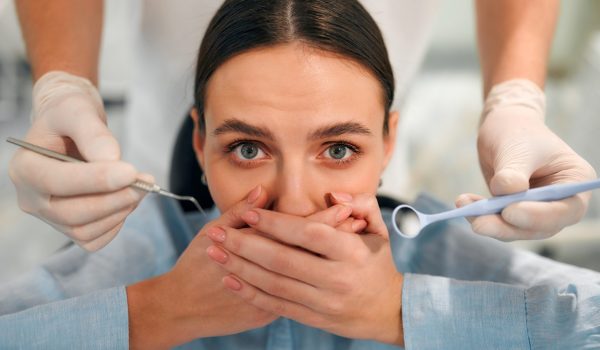

Consider this: you are in the chair in the dentist’s office and… the heart starts to race, the palms start to sweat, and there are several “what ifs” running around your mind. You are definitely not the only one. There are millions of people who encounter the exact same feelings when it comes to seeing a dentist. These feelings are all very real.
You shouldn’t be overly anxious since overcoming dental anxiety is feasible. Proper techniques and guidance can teach you how to keep your calm at the dentist’s office and even anticipate your next appointment. Here are some tips and solutions to help you relax during your anxiety-filled dental visits.
How to Relax at the Dentist
What comes to mind when considering a dentist’s office? The clean but harsh scent of the tools? The bright lights? The sounds of the equipment? All these sights, sounds, and smells can be quite anxiety-inducing for a lot of people, but luckily, there are many different ways to calm nerves before and during visits.
- Deep Breathing: One of the most effective ways to calm nerves before and during a dental appointment is to practice deep breathing. Slow, controlled breaths are the perfect way to calm the nervous system down and to negate the anxiety. One effective way of deep breathing is the 4-4-4 method. Inhale for four seconds, hold for four seconds, and exhale for four seconds. Continue this for a bit to calm the anxiety before the appointment.
- Soothing Music or Audiobooks: Many dental offices allow you to listen to music or even provide headphones to help block out the noise. Music can be a great distraction, especially if you listen to something calming like classical or nature sounds. Having something to focus on other than the procedure can significantly ease your stress.
- Visualization: Another great tool for overcoming dental anxiety is visualization. Picture yourself in a peaceful setting — maybe on a beach or in a quiet forest. Imagine the sounds, the smells, and how relaxed you feel. This mental escape can help keep your mind off the dental environment and focus on something comforting.
- Communicate with Your Dentist: If you’re feeling anxious, let your dentist or hygienist know. They can adjust their approach and go at a pace that feels more comfortable for you. In fact, many dental professionals are well-trained in handling nervous patients and will do everything they can to make you feel at ease.
How to Overcome Fear of the Dentist
For some, dental anxiety isn’t just about nerves; it’s a full-blown fear, or even a phobia, that can prevent them from going to the dentist altogether. If you have a fear of the dentist, know that you don’t have to face it alone. Here are a few ways to begin overcoming dental phobia.
- Understand your fear: What is triggering your negative feelings towards a trip to the dentist? Do you have a fear of pain? Or maybe you have some previous adverse experiences from before that have traumatized you? And then again, maybe you just fear the unknown? Once you discover the root of the problem, you can begin to work towards eliminating the fear in that area. If your fear has to do with nerves, make sure to contact your dentist to discuss some of the pain mitigation options. Options like nitrous (which is often referred to as laughing gas) or light oral sedatives can be used in sedation dentistry to help make the experience as pain-free as possible.
- Gradual exposure: If your fear is more extreme, then it might help to have some gradual exposure to the dentist’s office. This can be done with the help of a small visit and a short appointment that’s non-invasive. Sitting in the office and simply having a consultation can help you get accustomed to the ease and atmosphere of the office. Once you have completed a few of these short consultations, you can move on to having the staff get used to the sounds of the office. This slow process can help make the experience feel less frightening as you slowly get more and more desensitized to it.
- Educate Yourself: Sometimes, the fear of the unknown is the worst part. Ask your dentist to explain the procedures step-by-step or even show you a video of what to expect. Knowledge is one of the most powerful dental anxiety treatments. The more you know about what’s happening, the more in control you’ll feel.

How to Prepare for a Dentist Appointment
If you think ahead of time about your appointments, things will be a little more exciting. Preparing for your appointments can also help take down the fear you might have. While a lot of people have dental anxiety, the more you prepare, the more the anxiety will likely go down. Here are some tips from your friends to help prepare for your next visit:
- Trust Your Dentist: Perhaps the biggest change you can make to help lessen your anxiety is getting a new, more supportive dentist. We highly recommend looking for a dentist who is patient, lacks the ‘dental school attitude’, and is empathetic. Having a dentist who will take the time to help you, talk you through it, answer your questions, and give you reassurance will make a world of difference.
- Schedule the Appointment at a Calm Time: If you’re anxious about going to the dentist, choose an appointment time that doesn’t add to your stress. Try to avoid busy times of day or days when you’re already feeling overwhelmed. Early morning or mid-week appointments often tend to be less busy, which can help create a calmer experience.
- Communicate Your Anxiety: Before your visit, let your dental office know about your anxiety. Many offices are accustomed to working with anxious patients and will be prepared to accommodate you. You might also want to ask for a tour of the office before your appointment to help you feel more comfortable with the surroundings.
- Practice Relaxation Techniques: In the days leading up to your appointment, practice relaxation exercises such as deep breathing, mindfulness, or even meditation. These techniques can help you stay calm and centered when it’s time for your visit.
Dental Anxiety Treatments: What to Do If You Have Severe Anxiety
If you experience severe dental anxiety, there are several options available to help you feel more relaxed.
- Sedation Dentistry: If you’re afraid of pain or feel overwhelmed by dental procedures, sedation dentistry could be the answer. From nitrous oxide (laughing gas) to oral sedatives and even intravenous (IV) sedation, there are many options to help ease your anxiety and make you feel more comfortable during treatment. Discuss these options with your dentist beforehand to find the best solution for you.
- Hypnosis and Therapy: Therapy is one of the options, such as hypnosis or cognitive behavioral therapy (CBT), that some people find useful for conquering dental phobia. These techniques assist patients in dealing with the root of their fears and provide a way to manage anxiety.

Overcoming Dental Anxiety
Caring for your teeth doesn’t have to be stressful. Coping methods, such as emotion-focused coping. You can talk to your dentist about your worries. But modern Dentistry also includes sleep dentistry. Using these methods can make your trips to the dentist more enjoyable, if not completely stress-free.
Ready to conquer your dental anxiety? If you’re ready to take the first step toward a calmer, more relaxed visit to the dentist, schedule a consultation with us at Shoreline Dentistry today. Our compassionate team is here to support you every step of the way. Don’t let fear keep you from maintaining a healthy, beautiful smile. You deserve it!
Frequently Asked Questions (FAQs)
1. How is dental anxiety treated?
It can be managed through cognitive behavioural therapy and medical management.
2. What triggers dental anxiety?
Past traumatic experiences, complications, or bullying are some common triggers for dental anxiety.
3. How is dental anxiety diagnosed?
Corah’s anxiety scale is a common method used by dentists to check for dental anxiety in patients.
4. Is there a medicine for dental anxiety?
Sedation dentistry is a medication that can help manage dental anxiety.
Keep Reading