
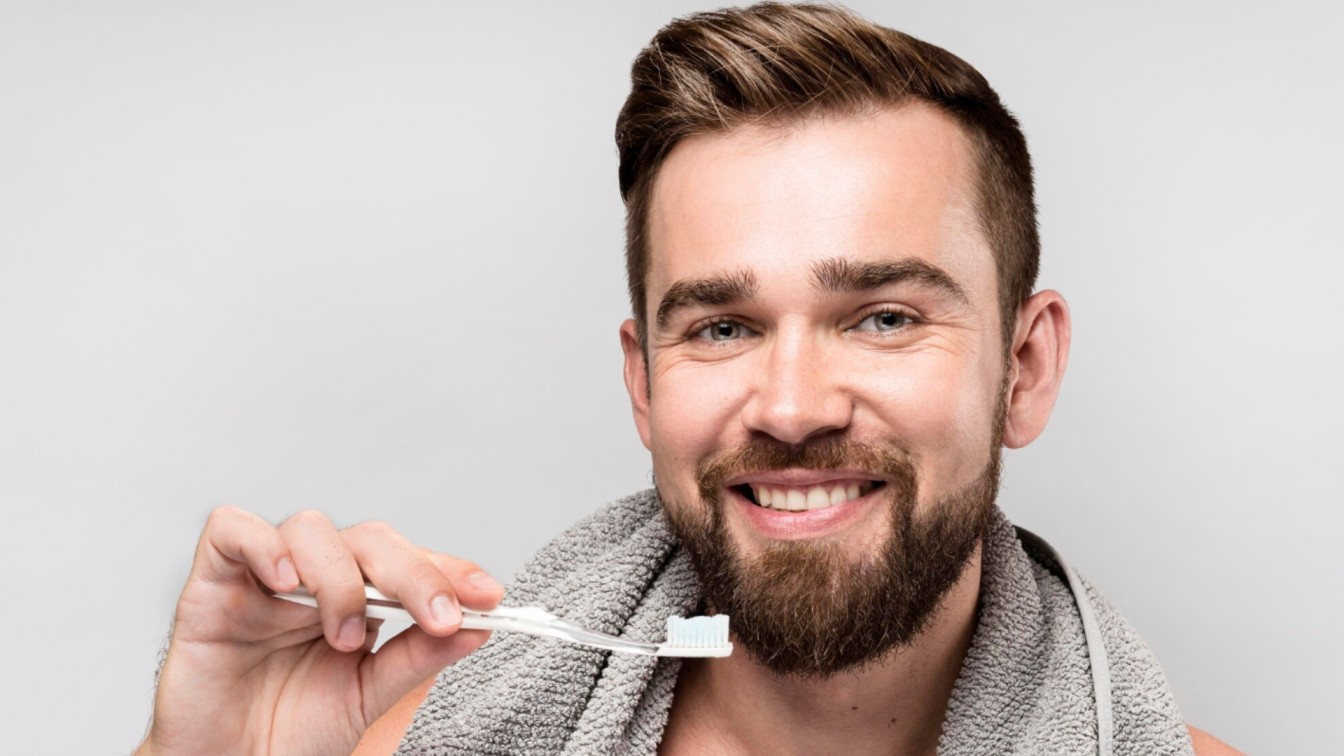
Think about how nice it would be to start each day looking in the mirror and seeing a bright smile that shows off both your good looks and good health. Hard as it may be to believe, though, that smile is not just due to good dental hygiene, since good hygiene means more than just brushing twice a day.
Lots of people turn brushing their teeth into a mindless activity. However, the reality is that you may be missing the most effective way to brush your teeth. Having a good brushing technique is crucial for keeping your teeth clean and cavity-free. It’s also the key to good overall dental health.
In this blog, we’ll walk you through how to brush teeth the right way, share teeth cleaning tips, and discuss the tools and routines that will keep your smile as healthy as it is beautiful.
Why Proper Tooth Brushing Matters
Brushing your teeth is more than just a way to make your mouth feel fresh. It’s a critical part of maintaining proper oral hygiene, and it helps prevent tooth decay, gum disease, and bad breath. When plaque builds up on your teeth, it hardens into tartar, which can only be removed by a dentist. The good news? Brushing removes plaque before it has a chance to harden, keeping your smile clean and your gums healthy.
But brushing improperly can lead to bigger issues, like enamel erosion, gum irritation, and ineffective cleaning. So, let’s dive into the best way to clean teeth to ensure that you’re doing it right every time.
Choosing the Right Tools for Your Teeth Care Routine
To start off, make sure you’re using the right tools for the job. Whether you’re looking for toothbrush recommendations or wondering how to brush correctly, the first step is choosing a toothbrush and toothpaste that work best for your needs.
Toothbrush Recommendations
A soft-bristled toothbrush is your best option for effective brushing without causing damage to your enamel. Medium or hard bristles can be too abrasive and lead to gum recession. For an even better clean, consider using an electric toothbrush, which has been shown to remove more plaque than manual brushing.
The Best Toothpaste for Teeth
Look for fluoride toothpaste that helps protect against cavities. If you have specific concerns, such as sensitivity or staining, there are plenty of options available. Just make sure you pick a toothpaste that’s right for you and one that’s ADA-approved.
Now that you have the right tools, it’s time to talk about how to brush teeth properly.
Proper Brushing Technique
When it comes to brushing your teeth, knowing how to brush correctly is crucial. Here’s a step-by-step guide to make sure you’re brushing like a pro:
- Position your toothbrush at a 45-degree angle to your gums. This is one of the most important toothbrushing tips. By angling the brush this way, you’re cleaning the gumline, where plaque tends to build up.
- Use gentle, circular motions. Scrubbing aggressively can damage your gums and enamel. Instead, gently move the toothbrush in small, circular motions to remove plaque without harming your teeth.
- Brush all surfaces. Make sure to clean the outer, inner, and chewing surfaces of your teeth. Don’t forget to brush your tongue, too — this helps freshen your breath and remove bacteria.
- Brush for two minutes. Most people don’t brush for long enough. Set a timer to ensure you’re brushing for the full recommended time. You can even try a teeth cleaning tip, divide your mouth into four sections, and spend 30 seconds brushing each one.
- Replace your toothbrush every three to four months. The bristles wear down over time, which means they become less effective at cleaning. A worn toothbrush can also harbor bacteria, so don’t forget to switch it out regularly.
By following these steps, you’ll ensure that your oral health routine is on point and that you’re getting the most out of your brushing sessions.

Teeth Brushing for Kids
Getting kids to brush their teeth can be a challenge, but it’s an essential part of establishing a proper dental care routine early on. Teaching your kids the right way to brush can set them up for a lifetime of healthier teeth.
Here’s how to make brushing fun for kids:
- Start early. Begin brushing your child’s teeth as soon as they come in. Once they’re old enough to brush on their own, guide them through the proper technique and encourage them to take responsibility for their own oral health.
- Make it fun. Use kid-friendly toothbrushes and toothpaste with fun designs or flavors. Turn brushing into a game by setting a timer and having them try to brush for the full two minutes.
- Supervise. While they might be able to brush by themselves, it’s still a good idea to watch them to make sure they’re doing it correctly. Kids often need help reaching the back teeth and brushing their gums properly.
Flossing and Rinsing: Complements to Brushing
Brushing alone isn’t enough to maintain proper oral hygiene. You also need to floss to remove food particles and plaque from between your teeth. Flossing prevents cavities in between your teeth, where your toothbrush might not reach. It’s also essential for preventing gum disease.
Mouthwash can be a great addition to your routine, but it shouldn’t replace brushing or flossing. If you’re looking for a mouthwash, go for one that kills bacteria and freshens your breath without alcohol, which can dry out your mouth.
Dental Hygiene Tips and Teeth Care Tips
To boost your overall dental hygiene, here are a few additional tips to keep your smile shining bright:
- Drink plenty of water. Water helps wash away food particles and neutralizes acids in your mouth that can lead to tooth decay.
- Watch what you eat. Limit sugary snacks and drinks, as sugar feeds the bacteria that cause cavities. Choose tooth-friendly snacks like crunchy vegetables, nuts, and cheese instead.
- Don’t forget your dentist. Regular checkups with your dentist are essential for catching problems early. Your dentist can give you personalized advice on your oral health routine and recommend products that will work best for you.
Conclusion
The fundamentals of maintaining a healthy smile are brushing properly, using the appropriate instruments, and adhering to a consistent dental care regimen. You’ll be well on your way to better oral health and healthier teeth with the advice we’ve provided. Keep in mind that maintaining consistency is essential, and using the most effective technique for brushing your teeth will eventually pay off.
Take a moment to check your technique the next time you pick up your toothbrush. You can have a clean, new smile for years to come if you take the proper care of it!
Frequently Asked Questions
1. Should I wet my toothbrush before brushing my teeth?
Wetting your toothbrush helps remove debris and softens the bristles of your brush.
2. How often should I replace my toothbrush?
You should replace your toothbrush every 3 to 4 months.
3. Does flossing really help?
Yes, flossing is very helpful and just as important as brushing. It helps clean areas where a toothbrush can’t reach.