

Sudden toothaches are terrible. You feel pain when eating, get woken up from pain, and can’t seem to get it to go away. The fear begins, “Do I need a root canal?”
A root canal is a treatment you do not need to fear. A root canal is a common dental procedure that relieves tooth pain, eliminates infections, and saves infected teeth. Most times, a root canal is needed to save a tooth and save your smile.
In this guide, you will learn what endodontic therapy is, what happens during a root canal, when a root canal is needed, and how it benefits your oral and overall health.
What is Endodontic Therapy?
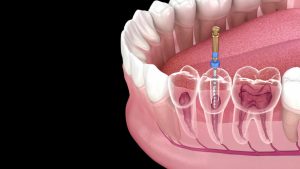
Endodontic therapy is the branch of dentistry that focuses on the inside of the tooth. The pulp is the inner soft tissue that has the blood vessels and nerves. Bacteria can enter the pulp as a result of severe tooth decay, cracks and splits, dental trauma, and repeated dental procedures. This leads to a painful tooth infection.
The infection will worsen without treatment. It can spread to the jawbone or surrounding tissues, but root canal therapy removes the infected soft tissue, or the pulp, refills the inside of the tooth with a synthetic material, and seals it to avoid any future infections. And all of this is done while keeping the natural tooth structure.
What to Expect During a Root Canal
Understanding the root canal process can make patients feel more relaxed and less anxious about the procedure. It’s not as scary as it sounds. Here’s how the root canal process works, step by step.
- Examination and Diagnosis
Your doctor needs to take X-rays to see how bad the decay or infection is in your tooth and to make sure a root canal procedure is needed.
- Numbing
Local anesthesia is then used to numb the area that is being worked on. Most patients claim to feel little to no discomfort.
- Infection Cleaning
A small hole is made in the tooth so that the infected pulp inside can be removed. Then the inside of the tooth is cleaned and disinfected.
- Tooth Sealing
The inside of the tooth is filled with a material that will not cause a bad reaction with the body, and the hole that was made is sealed, but this is to keep bacteria from getting in.
- Restoration
Finally, a crown is placed on top to make the tooth strong again and to make sure that the patient can chew normally again.
This treatment stops the pain, saves the infected tooth, and protects the root.
When Is A Root Canal Needed?
Dentists will suggest a root canal when the inflamed pulp can no longer be repaired. Some signs you may need a root canal are as follows:
- Severe or persistent pain in your tooth
- Pain when biting or chewing
- A pimple-like bump on your gums
- Swelling, tenderness, or bleeding in your gums
- Sensitivity to hot or cold for longer periods of time
- Darkening or discoloration of the tooth
These signs should not be ignored, as the infection can continue to progress and make future treatment more complicated.
Root Canal vs. Tooth Extraction
When a tooth may need to be extracted, patients often ask about the benefits of pulling the tooth vs. saving it. While it may be an easier solution and seem intuitively better to just pull the tooth, saving your tooth is often better for your overall health and will cost you less in the long run.
Here’s a quick comparison to help you understand the difference:
| Root Canal Therapy | Tooth Extraction |
| Saves your natural tooth | Permanently removes the tooth |
| Maintains normal chewing and bite | Can affect bite alignment |
| Prevents neighboring teeth from shifting | May require implants or bridges |
| Supports long-term oral health | Tooth replacement is often needed |
| Usually, less costly long-term | Higher long-term replacement costs |
Root canal treatment is often the best and preferred treatment for restoring teeth and for overall dental health.
What Are The Advantages of Root Canal Therapy?
Most root canals are very successful. They provide a lot of valuable benefits for the patient.
- Relief from negative symptoms, pain, and pressure
- Elimination of the infection and the bacteria that cause it
- The restoration of the tooth function and esthetics that the root canal may have
- With good dental hygiene and routine checkups, root canals can provide long-lasting results
- Today’s dental technology allows for root canals to be more comfortable and predictable than ever.
The Recovery Process for a Root Canal
In most cases, the process of healing from a root canal goes smoothly. You might feel a little soreness for a few days. This is normal. You can take some over-the-counter pain relievers.
Things to keep in mind during recovery:
- Don’t chew on the tooth that has been treated until the final restoration has been placed.
- Continue brushing and flossing like normal.
- Come to your appointments for the final crown or other restorations.
- Once the tooth is fully healed, you can use it just like any other normal, healthy tooth!
Conclusion: Don’t Wait to Get the Procedure Done
A root canal is not something that you just delay. It actually makes the pain go away, fixes the infection, and saves your tooth. That being said, if you are feeling pain or other signs of a need for a root canal, the longer you wait to take care of it, the more serious it can become.
At Shoreline Dentistry, we offer advanced and comfortable root canal therapy. We focus on keeping and protecting your smile. If you are feeling pain in your tooth, it may be from an infection. Don’t wait.
We want you to protect your health and stay pain-free. Contact Shoreline Dentistry to set up an appointment today.
Frequently Asked Questions (FAQs):
1. Does a root canal hurt?
Not at all. Thanks to modern anesthesia, the vast majority of patients feel little to no pain during the root canal procedure.
2. Is it possible to get a root canal because of tooth decay?
Yes. Deep tooth decay is a common reason many people need to get a root canal.
3. How long does it take to heal from a root canal?
Most people report feeling better within a few days of getting a root canal, though it can take longer to heal completely, depending on when you get the final restoration.
4. Is root canal treatment safe?
Yes, root canal treatment is safe. The therapy is a common practice that dentists do and has a high success rate, so you can rest easy knowing that it is safe.