Natural-looking dental bridges to restore your smile and bite.

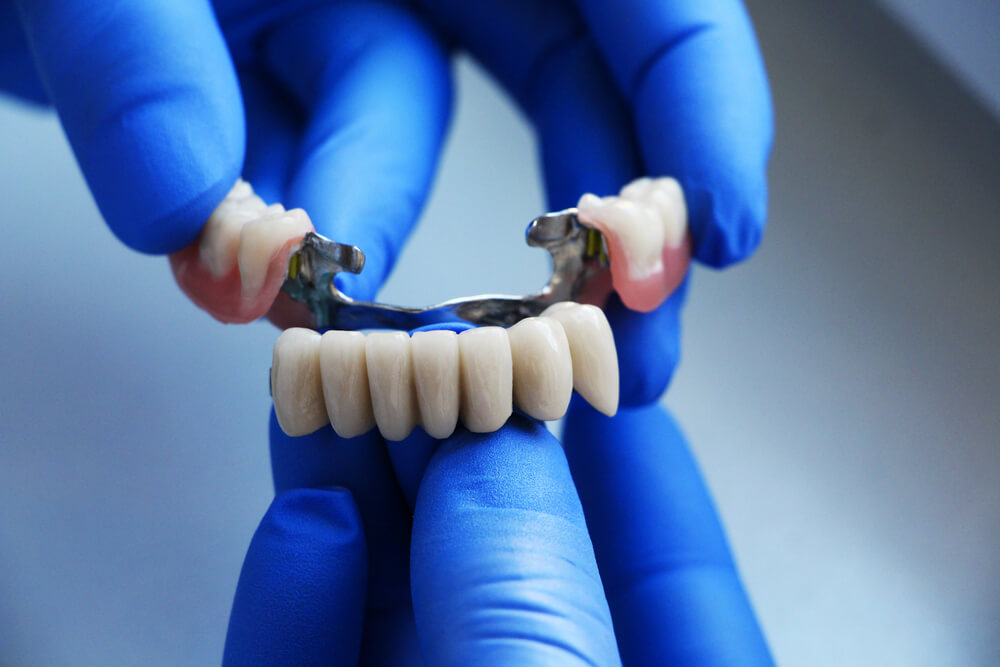
Each bridge is custom-made to match the size, shape, and colour of your natural teeth, creating a seamless and attractive smile.
Replacing missing teeth with a dental bridge offers both cosmetic and functional benefits, including:
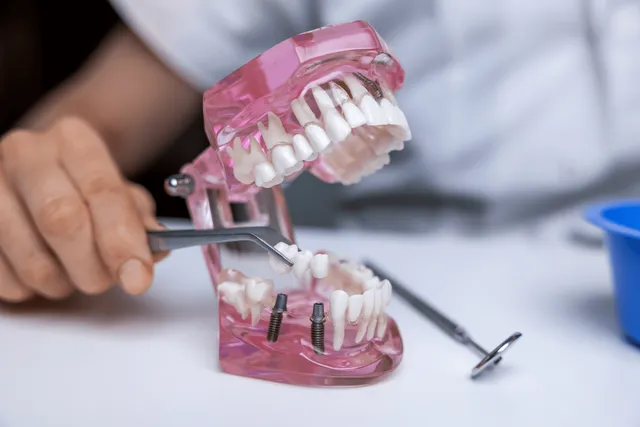
Getting a dental bridge usually requires two appointments.
We examine your teeth, take digital X-rays, and prepare the supporting teeth if necessary. Impressions or digital scans are taken to create your custom bridge, and a temporary restoration may be placed.
Once your custom bridge is ready, we carefully check the fit, colour, and bite before securely bonding it into place. Minor adjustments are made to ensure maximum comfort and function.
You may be a good candidate for a dental bridge if you:
During your consultation, we’ll evaluate your oral health and recommend the most appropriate treatment option for your needs.
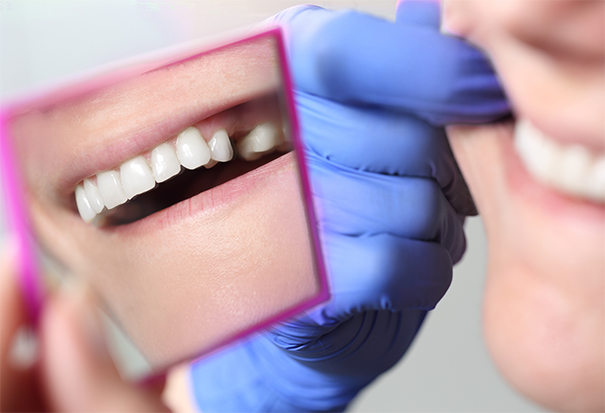
Depending on your oral health and the location of the missing tooth, we may recommend:
Traditional Dental Bridges – The most common option, supported by crowns placed on the adjacent natural teeth.
Implant-Supported Bridges – Secured with dental implants for added stability and long-term durability, especially when replacing multiple missing teeth.
Our team will explain each option and help you choose the solution that best fits your smile and lifestyle.
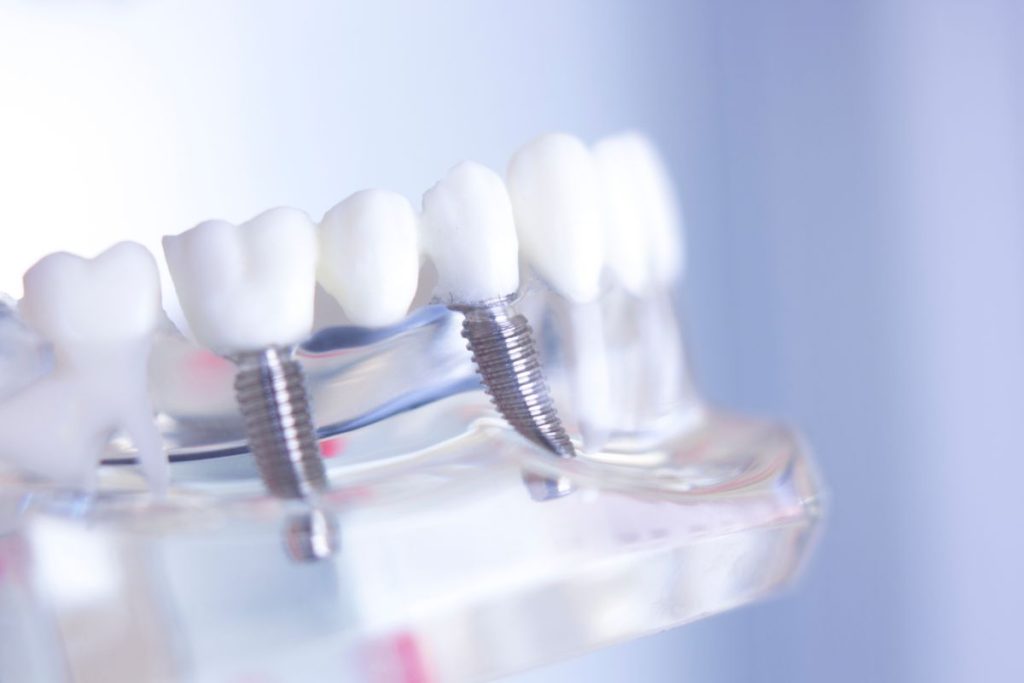
With proper care, a dental bridge can last many years.
To keep your bridge in excellent condition:
Routine dental visits help ensure your bridge remains secure and your surrounding teeth stay healthy.
At Shoreline Dentistry, we understand that replacing missing teeth is about more than restoring your smile—it’s about improving your quality of life. We combine advanced dental technology with personalized care to create restorations that look natural, feel comfortable, and function beautifully.
Patients choose us because we offer:
Our priority is helping you smile with confidence again.

Dental bridges are a reliable, long-lasting solution for replacing missing teeth and restoring the function, appearance, and confidence of your smile. At Shoreline Dentistry, we provide custom dental bridges in Oakville designed to look natural, feel comfortable, and improve your overall oral health.
Using advanced dental technology and personalized care, our experienced team creates durable restorations that help you eat, speak, and smile with confidence. Schedule your consultation today and discover how a custom dental bridge can restore your smile and quality of life.
Repair and rebuild your smile for lasting comfort.
Rebuild damaged or missing teeth for lasting function.
Learn more →Dental CrownsDurable caps that protect and restore weak teeth.
Learn more →Dentures & Partial DenturesNatural-looking, comfortable tooth replacement.
Learn more →Root Canal TherapySave an infected tooth with gentle, modern care.
Learn more →Full Mouth ReconstructionComprehensive rebuild of your bite, health, and smile.
Learn more →With proper care and regular dental checkups, dental bridges can often last 10–15 years or longer.
Yes. Once your bridge is placed and adjusted, it should feel comfortable and function much like your natural teeth.
Absolutely. After a short adjustment period, most patients can comfortably enjoy their favorite foods again.
For many patients replacing one or several teeth, dental bridges provide a more stable, fixed solution than removable dentures. Your dentist will recommend the option that best suits your needs.
Many dental insurance plans provide partial coverage for restorative treatments like dental bridges. Our team can help you review your benefits and financing options.
Book your appointment today and take the next step toward a healthier, more confident smile.
Online · replies instantly