Jaw pain, headaches, clicking sounds, and difficulty chewing may all be signs of TMJ disorder. At Shoreline Dentistry, we offer personalized TMJ treatment in Oakville to help relieve discomfort, improve jaw function, and restore your daily comfort. Our team focuses on identifying the root cause of your symptoms and creating a treatment plan tailored to your needs.

Every TMJ treatment plan is customized to your needs. We evaluate your jaw, bite, and symptoms to provide comfortable, effective care that supports healthy jaw function.
Early TMJ treatment can reduce jaw pain, prevent further damage, and improve your ability to eat, speak, and sleep more comfortably.
Our caring dental team provides personalized TMJ care in a supportive environment, helping you feel comfortable throughout every step of your treatment.
TMJ treatment can help reduce jaw pain, improve chewing function, and relieve pressure on the jaw joints. Early treatment may also help prevent further complications such as excessive teeth wear, chronic headaches, and worsening jaw discomfort. Our goal is to help you regain comfort and improve your everyday oral function.
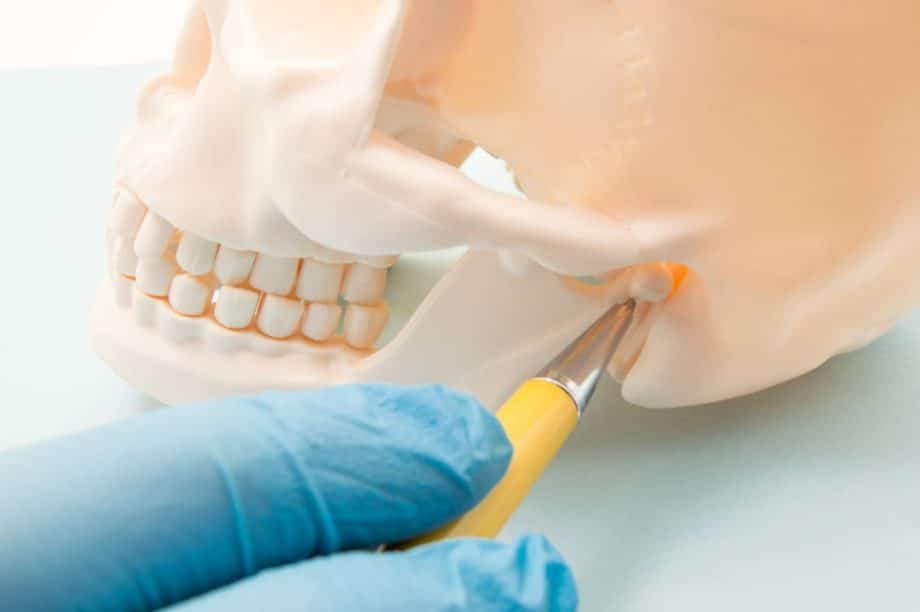
Our TMJ treatment options include custom night guards, bite adjustment therapy, teeth grinding protection, jaw tension relief solutions, personalized treatment planning, non-invasive treatment approaches, and preventive care recommendations to improve comfort and support long-term jaw health.

If you are experiencing persistent jaw pain, headaches, or TMJ-related symptoms, the team at Shoreline Dentistry is here to help. We are committed to providing compassionate, patient-focused care in a comfortable environment while helping you achieve long-lasting relief from TMJ discomfort.
Custom night guards, bite adjustment therapy, teeth grinding protection, jaw tension relief solutions, personalized treatment planning, non-invasive treatment approaches, and preventive care recommendations are all available to help relieve TMJ discomfort and improve jaw function.
TMJ treatment can help reduce jaw pain and stiffness, improve jaw movement and flexibility, decrease headaches and facial pain, enhance sleep quality, protect teeth from grinding damage, and make eating and speaking more comfortable.
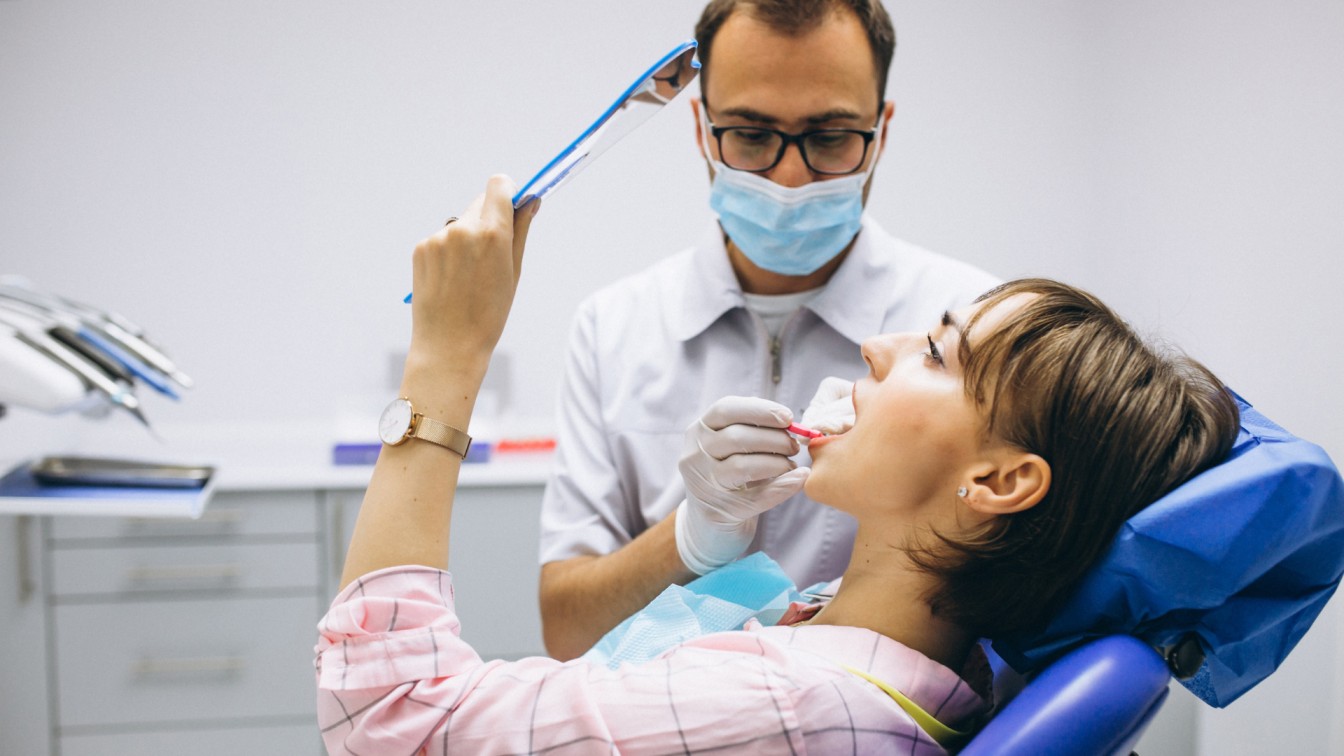
TMJ disorder can place constant stress on your jaw joints and facial muscles, making simple daily activities uncomfortable. Whether you experience jaw tightness in the morning, pain while chewing, or recurring headaches, professional TMJ treatment can help reduce discomfort and improve overall jaw function. Our team focuses on gentle, effective care designed to relieve pressure on the jaw and support long-term oral health.
Pain while chewing or speaking, tightness around the jaw muscles, locking of the jaw joint, difficulty fully opening the mouth, morning jaw soreness, ongoing facial pressure or discomfort, and increased tooth sensitivity from grinding may all be signs of TMJ disorder.
The temporomandibular joints connect your jaw to your skull, and when they are strained or misaligned the result can be jaw pain, clicking, headaches, and difficulty chewing. TMJ treatment focuses on relieving that discomfort and addressing what is causing it.
Treatment is tailored to the cause. Many patients find relief with a custom night guard that eases pressure on the joint and protects teeth from grinding. We may also recommend bite adjustments, jaw exercises, or simple lifestyle changes to reduce strain.
If jaw pain, clicking, or headaches are affecting your daily life, it is best not to wait. Early treatment is usually simpler and can keep the problem from worsening. We examine your jaw, identify the cause, and create a plan to get you comfortable again.
Related care to keep you comfortable and pain-free.
Mild cases may improve, but ongoing symptoms usually require treatment to prevent worsening.
Most TMJ cases are treated without surgery using conservative methods.
It depends on the severity, but many patients notice improvement within weeks.
Yes, stress can lead to clenching or grinding, which puts pressure on the jaw joint.
Your dentist will evaluate your symptoms, examine your jaw joints and muscles, assess your bite, and may recommend diagnostic imaging if needed to determine the cause of your discomfort.
Treatment may include custom night guards, bite adjustment therapy, lifestyle modifications, jaw exercises, stress management techniques, medication, or other therapies designed to reduce strain on the jaw joints.
Book your appointment today and take the next step toward a healthier, more confident smile.
Online · replies instantly