Dental implants are among the best restorative treatments available today that can help restore your self-confidence, functionality, and smile. Implants are similar to natural teeth and offer long-lasting results for your mouth. Although implants are durable, the importance of taking good care of them cannot be overstated.
The team at Shoreline Dentistry will not only work with you throughout the implantation process but also help you care for your new implant.
Why Dental Implant Maintenance Matters
Unlike natural teeth, tooth implants cannot develop cavities, but they are still vulnerable to gum disease and infection if not properly maintained. The surrounding gum and bone tissue play a crucial role in keeping the implant secure.
Poor oral care can lead to peri-implantitis, a condition that affects the surrounding tissue and may cause inflammation, bone loss, and even implant failure if left untreated.
With proper dental hygiene, routine monitoring, and early intervention when needed, your dental implants can last 15–25 years or even a lifetime.
Implant Cleaning: The Basics
Maintaining proper implant cleaning habits is the foundation of long-term success.
Even though implants are artificial, plaque and bacteria can still accumulate around them, especially near the gumline. Without proper care, this buildup can lead to irritation and infection.
A consistent routine should include:
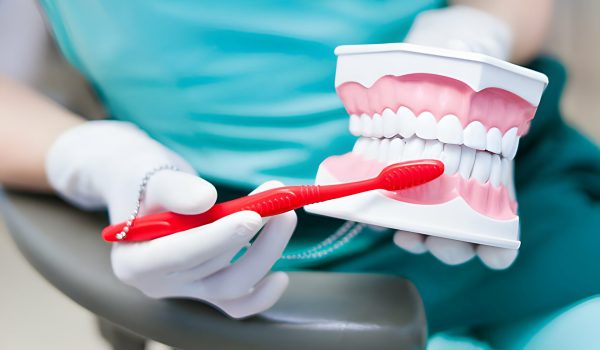
- Brushing twice daily with a soft-bristle toothbrush
- Flossing daily to remove debris around the implant
- Cleaning along the gumline carefully to prevent plaque buildup
- Using tools like interdental brushes or water flossers for deeper cleaning
Good implant care starts with small daily habits that protect both the implant and the surrounding gums.
How to Clean Implants Properly at Home
Knowing how to properly clean implants could help them last longer and function effectively.
Here is an easy guide to follow:
Brush the implants softly twice a day
It is important to use toothpaste that does not contain abrasive ingredients, as they can damage the implant.
Floss the area where the implant is located
Flossing will help ensure that plaque does not accumulate on the implant.
Employ interdental brushes or a water flosser
Both of these devices would be useful when cleaning the implant.
Common mistakes to avoid:
- Using hard-bristle brushes that can irritate the gums
- Skipping flossing, especially around implant areas
- Ignoring bleeding or sensitivity in the gums
Following proper dental implant aftercare instructions at home is one of the most important factors in maintaining long-term success.
Professional Care & Dental Checkups
Even the best at-home routine isn’t complete without professional care.
At Shoreline Dentistry, we recommend:
- Regular cleanings every 6 months (or as advised)
- Routine exams to monitor implant stability and gum health
- Early detection and treatment of any potential issues
Professional cleanings use specialized tools designed for dental implants, ensuring safe and effective maintenance without damaging the implant surface.
These visits also allow your dentist to assess bone levels and overall oral health, which are key factors in implant longevity.
Long-Term Implant Care Tips
Here are some essential dental implant care tips to protect your smile:
- Avoid smoking, as it significantly increases the risk of implant failure
- Limit hard or sticky foods that may put pressure on the implant
- Wear a night guard if you grind your teeth (bruxism)
- Maintain a balanced diet rich in calcium and vitamins for bone health
- Stay hydrated to support healthy gum tissue
These habits support better implant maintenance and contribute to overall oral care and wellness.
Signs Your Dental Implants Need Attention
Knowing when something isn’t right can help prevent serious complications and save your implant.
Watch for:
- Red, swollen, or tender gums
- Bleeding around the implant area
- Persistent bad breath or taste
- Pain or discomfort while chewing
- A loose or shifting implant
If you notice any of these symptoms, seek professional care immediately. Early treatment can prevent more complex issues down the line.
Implant Maintenance vs Natural Teeth Care
Though there is an overlap in how to take care of implants and natural teeth, there are certain distinctions:
- Implants cannot develop cavities, but the gum area surrounding them may get infected
- There might be a necessity for specific tools for a better cleaning process
- Implants have no nerve endings in their structure, so problems will be painless
- The overall health of implants will depend greatly on proper care
All these points will help you take good care of your implants.
How Long Do Dental Implants Last With Proper Care?
Dental implants can endure for decades or even for life when they are maintained appropriately.
The longevity of implants depends on several important things, such as:
- The way one maintains their implants on a day-to-day basis
- How often a person visits their dentist for checkups
- Healthy lifestyle
Overall condition, such as oral hygiene or gum and bone health
Mastering the art of maintaining implants allows one to make the most out of them.

Conclusion: Protect Your Smile for the Long Run
Dental implants are a highly effective and dependable means of treating various dental problems today, but their success over time hinges on proper upkeep and maintenance.
Through adherence to dental implant aftercare guidelines, practicing good oral health, and regular check-ups with your dentist, you can rest assured that your dental implants will continue to function optimally for many years to come.
Shoreline Dentistry is dedicated to ensuring your smile lasts long beyond your procedure.
Book your appointment today and let our team support your long-term implant health.
Frequently Asked Questions
1. How often should I clean my dental implants?
You should maintain daily implant cleaning with brushing twice a day and flossing once daily.
2. Can dental implants get infected?
Yes, poor oral care can lead to gum infections like peri-implantitis around implants.
3. What is the best way to clean implants at home?
Use a soft toothbrush, floss, and tools like interdental brushes or water flossers for effective implant care.
4. Do I still need dental visits with implants?
Yes, regular dental visits are essential for monitoring and maintaining long-term implant health.
Keep Reading