
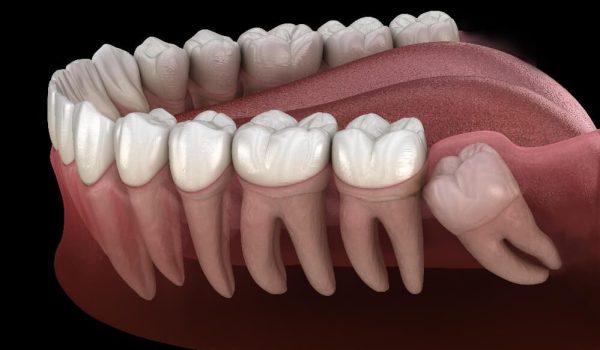
Extraction of wisdom teeth is one of the most frequently performed surgeries in oral medicine, but while the extraction itself is quite common, what many people fear is the healing process afterward. Whether you are about to have your wisdom tooth extracted by the experts at Shoreline Dentistry or are just entering the recovery stage, knowing more about the process can help ease your worries.
However, the comforting thing is that healing from the process of tooth extraction can go quite smoothly when adequate care is taken. Here we have compiled all the necessary information concerning the wisdom tooth extraction recovery process and aftercare at Shoreline Dentistry, including foods to eat during the recovery period and methods to decrease swelling.
Understanding the Wisdom Tooth Healing Process
The healing process of wisdom teeth usually progresses according to a certain schedule, although the amount of time required for the process can depend on factors such as the age of the patient, the difficulty during extraction, and compliance with post-procedure guidelines.
During the first day, the clotting process occurs inside the empty socket, which is very important for successful healing. The second and third days may involve more swelling and pain than other days, and by the fourth to seventh day, the pain and swelling should start to decrease. Healing of soft tissues usually takes two weeks, but bone healing can take a few months.
It is necessary to show patience when dealing with healing wisdom teeth.
Wisdom Tooth Removal Aftercare: The Essentials
Proper wisdom tooth removal aftercare during the first 24 to 48 hours sets the foundation for successful healing. Here are the most important steps to follow:
- Bite gently on the gauze provided to control bleeding.
- Avoid rinsing, spitting, or drinking through a straw, as this can dislodge the blood clot and lead to dry socket.
- Sleep with your head slightly elevated to minimize swelling.
- Take all prescribed medications as directed, including any pain relievers for wisdom tooth removal pain relief.
- Avoid smoking and alcohol, both of which can delay healing.
After the first 24 hours, you can begin gentle saltwater rinses to keep the area clean. Continue brushing your other teeth carefully, avoiding the surgical site for the first few days.
How to Reduce Swelling After Tooth Extraction
Swelling is a natural part of the healing process and usually peaks around 48 to 72 hours after surgery. Knowing how to reduce swelling after tooth extraction can make a significant difference in your comfort.
Apply an ice pack to the outside of your cheek in 15-minute intervals during the first 24 hours. After the first day, switch to warm compresses to encourage circulation and further reduce swelling. Keep your head elevated, even while sleeping, and stay well-hydrated throughout your recovery.
If swelling worsens after day three, or if you notice fever, pus, or severe pain, contact Shoreline Dentistry promptly, as these may be signs of infection.
What to Eat After Wisdom Tooth Extraction
Choosing the right foods plays a major role in your healing. Knowing what to eat after wisdom tooth extraction will help you stay nourished without irritating the extraction site.
Stick to soft, easy-to-chew foods such as:
- Yogurt
- Applesauce
- Mashed potatoes
- Scrambled eggs
- Smoothies (eaten with a spoon, not a straw)
- Lukewarm soups
- Oatmeal
Avoid crunchy, spicy, sticky, or very hot foods for at least the first week. Items like chips, popcorn, nuts, and seeds can become lodged in the extraction site and disrupt healing. Gradually reintroduce solid foods as your comfort allows.
Staying hydrated is equally important — just remember to sip water directly from a cup rather than using a straw.

Tooth Extraction Recovery Tips for a Smooth Healing Experience
Following a few simple tooth extraction recovery tips can make your healing journey easier and more comfortable:
- Rest for the first 24 to 48 hours and avoid strenuous activity for at least a week.
- Gently rinse with warm salt water after the first day to keep the area clean.
- Maintain good oral hygiene without disturbing the extraction site.
- Avoid touching the area with your tongue or fingers.
- Attend all follow-up appointments at Shoreline Dentistry to ensure proper healing.
These small but important habits help prevent complications and support faster recovery.
When to Contact Your Dentist
While most recoveries are smooth, it’s important to know when to call your dentist. Reach out to Shoreline Dentistry if you experience excessive bleeding, severe wisdom tooth pain that isn’t relieved by medication, a high fever, signs of infection, or symptoms of dry socket — such as intense pain a few days after the extraction.
Timely communication with your dental team can prevent minor issues from becoming bigger problems.
Final Thoughts
Wisdom tooth extraction recovery doesn’t have to be stressful. With the right aftercare, a soft-food diet, and attention to your body’s signals, most patients heal comfortably within a couple of weeks. Listening to your dental team and giving yourself time to rest are the keys to a smooth recovery.
If you’re preparing for a tooth extraction or have concerns about your healing, the team at Shoreline Dentistry is here to help. Contact us today to schedule a consultation or get personalized guidance for your recovery.
Frequently Asked Questions
1. How long does wisdom tooth recovery take?
Most patients feel better within 7 to 10 days, though full healing can take a few weeks.
2. Can I brush my teeth after wisdom tooth removal?
Yes, but avoid the extraction site for the first few days and brush gently around it.
3. When can I return to normal activities?
Light activity is usually fine after 2 to 3 days, but avoid strenuous exercise for about a week.
4. What is dry socket?
Dry socket occurs when the blood clot dislodges, exposing bone. Avoid straws, smoking, and vigorous rinsing to prevent it.
Keep Reading