
It’s no secret that braces and Invisalign will each straighten your teeth and offer many of the same benefits, but they will also each impact your comfort and confidence in different ways; both will also hit your wallet in different ways. The two most popular options for adults looking to afford themselves a smile they can confidently show off are these aligners and traditional braces. If you can’t decide which option to choose, you have a lot of things to consider. At Shoreline Dentistry, we face this challenge with our clients every day, so we have drawn together all the costs, benefits, and pitfalls to help.
What Is Invisalign?
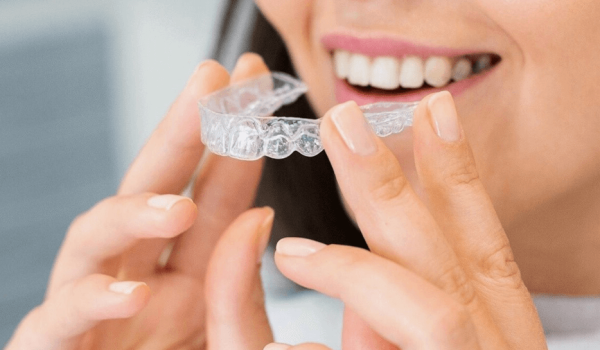
Invisalign is a clear aligner system that straightens teeth using a series of custom-made, removable plastic trays. After a digital scan of your mouth, your dentist maps out your treatment, and you wear each set of trays for one to two weeks before switching to the next. Because the aligners are nearly invisible and removable, Invisalign is especially popular with adults and image-conscious teens. It effectively corrects crowding, gaps, and mild-to-moderate bite issues.
What Are Traditional Braces?
Traditional braces use metal brackets bonded to each tooth, connected by a wire that’s gradually tightened to guide your teeth into alignment. When patients compare metal braces vs Invisalign, braces stand out for their ability to reliably correct even the most complex alignment and bite problems. Modern options also include tooth-coloured ceramic brackets and lingual braces, which are placed behind the teeth.
Invisalign vs Braces: Pros and Cons
Understanding the Invisalign vs braces pros and cons is the best way to start narrowing down your choice.
Pros of Invisalign
- Nearly invisible and discreet
- Removable for eating, brushing, and special occasions
- Comfortable, with no wires to irritate your mouth
- No food restrictions
- Often requires fewer in-office visits
Cons of Invisalign
- Requires discipline — trays must be worn 20–22 hours a day
- Not ideal for severe or complex cases
- Easy to misplace if you’re not careful
Pros of Traditional Braces
- Handle the most complex alignment and bite issues
- Work 24/7 — no compliance required
- Often more affordable for difficult cases
Cons of Traditional Braces
- More visible
- Food restrictions (no sticky, hard, or chewy foods)
- Harder to brush and floss around
- Occasional discomfort after adjustments
Invisalign vs Braces Cost
For many patients, the Invisalign vs braces cost is a deciding factor. The good news is that the two are often comparable — though when you look at the cost of Invisalign vs braces for complex cases, braces can be slightly more affordable since they handle longer, more involved treatments. Several factors affect the final price:
- Case complexity — more severe misalignment costs more
- Treatment length — longer treatment means more aligners or adjustments
- Materials — ceramic and lingual braces cost more than metal ones
When comparing Invisalign cost vs braces, remember that many dental insurance plans contribute toward both, and you can often use HSA or FSA funds. At Shoreline Dentistry, we offer transparent pricing and flexible financing so your ideal treatment fits comfortably within your budget.
Head-to-Head Comparison
When weighing traditional braces vs Invisalign factor by factor, here’s how they stack up:
Appearance
Invisalign aligners are clear and barely noticeable, while braces are more visible (though ceramic brackets offer a subtler look).
Comfort
Invisalign’s smooth trays are gentle on your cheeks and gums, whereas braces can occasionally irritate — especially after tightening.
Treatment Time
Invisalign typically takes 12–18 months for mild to moderate cases, while braces usually run 18–24 months but can handle more complex corrections.
Maintenance & Oral Hygiene
Because Invisalign is removable, brushing and flossing stay simple. Braces require extra effort to clean around brackets and wires.
Effectiveness for Complex Cases
For severe crowding, large gaps, or a significant bite issue, braces often win. In fact, when patients ask about braces vs Invisalign for an overbite, traditional braces frequently deliver more predictable results. Invisalign excels with mild to moderate corrections.
Which Option Is Right for You?
So, Invisalign vs braces — which is better for you? The answer depends on your unique situation:
- Case complexity: Mild to moderate misalignment favours Invisalign; severe bite or spacing issues often favour braces.
- Age and lifestyle: When it comes to Invisalign vs braces for kids, braces are a dependable choice for younger patients who may not stay disciplined with removable trays, while adults and professionals often prefer Invisalign’s discretion.
- Self-discipline: Invisalign only works if you wear it consistently. If that sounds challenging, braces remove the guesswork.
- Budget: Both are investments, and the right financing plan can make either option comfortable.
There’s no universal winner — only the option that’s right for you. That’s where a professional evaluation makes all the difference.
How Shoreline Dentistry Helps You Decide
Knowing whether braces or Invisalign are right for you should be easy. When you book a consultation with us here at Shoreline Dentistry, we take the time to do a full examination of your teeth. We also take a look at you using some of the latest scanning tools, in addition to building a treatment plan that suits your monetary budget and available time. We believe that every patient should have a detailed understanding of their potential treatment; therefore, we take time to explain the steps we will take for your teeth, without the surprise take it or leave it!

Making the Right Choice for Your Smile
When it comes to Invisalign vs braces, there’s no single right answer — just the option that best fits your smile, lifestyle, and goals. Both can deliver beautiful, lasting results when guided by an experienced dental team.
Ready to discover which option is right for you? Book your consultation with Shoreline Dentistry today, and let’s create a personalized plan to straighten your teeth and transform your confidence.
Frequently Asked Questions
1. Is Invisalign more expensive than braces?
Costs are often similar. Complex cases may make braces slightly more economical, but it depends on your specific treatment plan.
2. Does Invisalign work as well as braces?
For mild to moderate cases, yes. For complex corrections like a severe overbite, traditional braces may produce more predictable results.
3. Invisalign vs braces — which is faster?
Invisalign typically takes 12–18 months, while braces usually run 18–24 months, depending on case complexity.
4. Are braces or Invisalign better for kids?
Both work well. Braces suit kids who may struggle to wear aligners consistently, while disciplined teens often love Invisalign’s discreet look.
5. Will I need a retainer afterward?
Yes — with both options, wearing a retainer keeps your newly straightened teeth from shifting back.
Keep Reading