Life After Invisalign: Invisalign vs Retainer and Why Teeth Still Shift
By
Dr.
10 min read
Finishing Invisalign is a great feeling. Your last aligner is done, your teeth look straight, and you’re ready to move on. But life after Invisalign comes with one more step that decides whether your new smile stays that way: switching from aligners to a retainer.
That switch is where most questions start. What is the real difference in Invisalign vs retainer, and can your last aligner do the job? Why do teeth sometimes move even when you wear a retainer, and what should you do if yours is lost, cracked, or suddenly tight?
This guide answers those questions. For the daily cleaning routine, see our guide on how to clean Invisalign retainers. At Shoreline Dentistry in Oakville, we help patients protect their results long after their last aligner.
What Happens When Your Last Aligner Is Done
Invisalign moves your teeth in small steps. You wear each set of aligners 20 to 22 hours a day and switch to the next set every one to two weeks, until your teeth reach the positions in your treatment plan.
At the end, your dentist checks that your teeth have reached those planned positions. If a tooth or two hasn’t quite caught up, you may need a few more aligners before you move on.
Then comes retention. At Shoreline Dentistry, once treatment is complete, we’ll provide a custom retainer to help maintain your new smile and long-lasting results.
Why does this step matter so much? When teeth move, the bone and the tiny fibres that hold them in place need time to settle around their new position. Until they do, teeth tend to drift back toward where they started, which dentists call relapse.
Invisalign vs Retainer: What’s the Difference?
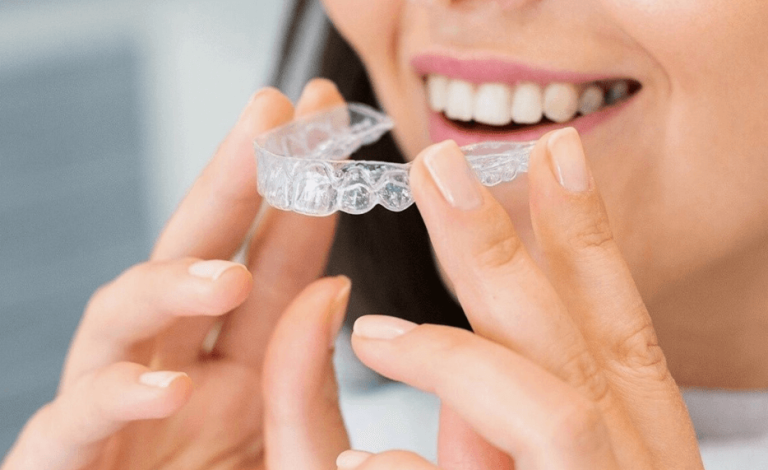
Clear retainers look a lot like aligners, so it’s easy to mix them up. But the two do opposite jobs:
Invisalign aligners are designed to move your teeth. Each set is slightly different and is worn for a week or two before you switch to the next one.
A retainer is designed to hold your teeth still. It matches your final tooth position and doesn’t push your teeth anywhere.
Here are five key differences at a glance:
Feature
Invisalign aligners
Retainer
Job
Move teeth
Hold teeth still
Each one lasts
1 to 2 weeks
Until it wears out or stops fitting
Daily wear
20 to 22 hours
Full-time at first, then usually nights
Shape
Changes every set
Matches your final smile
Styles
Clear trays
Clear, wire-and-acrylic, or bonded wire
Why Your Last Aligner Isn’t a Retainer
An aligner is a tool for moving teeth, and your last aligner is simply the final step of that process. Aligners are made for short-term wear, one set after another, so they aren’t designed to hold your teeth for months or years.
That’s why you switch to a proper retainer when treatment ends. If your retainer is ever lost or broken, ask us whether you should wear your last aligner at night as a short-term backup until a replacement is ready.
Wear Time and Retainer Types, in Brief
Most people wear a retainer full-time for the first few months, then move to nights. The American Association of Orthodontists (AAO) says retainers are needed to some degree for life, and many people wear theirs nightly for life.
Your dentist will set the schedule that fits your teeth. We cover the full wear schedule, the main retainer types and typical Ontario costs in our aftercare guide, so we won’t repeat them here.
Permanent Retainer After Invisalign: Is It Better?
A bonded retainer is a thin wire glued behind the front teeth. It can’t be forgotten in a drawer or lost, which is a big plus.
But it only holds the teeth it’s attached to, usually the front teeth. It also makes flossing harder, and the wire can come loose, so it needs regular checks.
Some people use both: a bonded wire on the front teeth and a clear retainer at night. Your dentist will recommend what suits your bite and habits.
Why Teeth Move After Invisalign, Even With a Retainer
Wearing your retainer as directed does most of the work, but it can’t freeze your teeth in place forever. Some people notice small changes even though they wear it. These are the usual reasons:
A worn or warped retainer. Clear retainers can crack, warp, or wear over time and stop holding teeth firmly.
A loose bonded wire. If one tooth comes unstuck from the wire, that tooth can move freely.
Natural changes with age. The AAO notes that teeth naturally shift as we get older, which can crowd the lower front teeth or open small gaps in the upper teeth.
Grinding or clenching. Heavy forces at night can push teeth and wear down retainers faster.
A missing tooth. When a tooth is lost, the teeth next to it can tip or rotate into the gap unless the space is filled.
If you grind your teeth, ask whether a custom night guard makes sense for you. The AAO notes that cushioning the bite can reduce shifting caused by excess pressure.
Early Signs Your Teeth Are Shifting
You don’t need an appointment to spot the first changes. Watch for these:
Your retainer feels tight when you put it in, or doesn’t snap fully into place
A small gap has opened between teeth that used to touch
Your lower front teeth look a little more crowded
A tooth looks slightly turned or out of line
Your bite feels different when you close your teeth together
Catching these early matters. Small shifts are usually much simpler to correct than large ones.
What to Do If Your Retainer Is Lost, Broken, or Too Tight
Life happens. Retainers get wrapped in napkins, chewed by pets, and left in hotel rooms. Here’s what to do.
If You Lose It
Call us as soon as you can. Every day without a retainer gives your teeth room to drift.
If you still have your last aligner or a spare retainer, ask whether you should wear it at night as a short-term backup.
A replacement is made to fit your teeth as they are now, so book a visit rather than waiting to see what happens.
If It Cracks or Breaks
A cracked Invisalign retainer can stop holding your teeth firmly, even if it still snaps in.
Don’t try to glue or reshape it yourself. Keep the pieces in the case and bring them to your visit.
If a bonded wire comes loose or starts poking your cheek, call us. Don’t pull on the wire.
If It Suddenly Feels Tight
A tight retainer usually means your teeth have started to move. According to the AAO, if your retainer feels tight but isn’t causing significant discomfort, wearing it more often for a few days may correct a slight shift.
If it won’t seat all the way, still feels tight after a few days, or hurts, don’t force it. Book a visit so we can check your teeth and the fit.
Worried your teeth have moved, or thinking about Invisalign?
Invisalign vs Retainer: Fixing Teeth That Have Already Shifted
This is the other side of the Invisalign vs retainer question. A retainer is built to hold teeth, not move them, so it can only help with very small shifts while it still fits.
When teeth have moved further, the options depend on how much has changed. The AAO says some people can be treated by adjusting the retainer, others need a short course of braces or clear aligners, and severe cases may need another full round of treatment.
What you notice
Usual next step
Retainer slightly snug, no pain
Wear it more for a few days; book a check if it stays tight
Retainer won’t seat or hurts
Stop forcing it and book a visit
Small gap or mild crowding
An exam, then a new retainer or a short course of aligners
A bigger change in your bite
An exam to talk through further treatment
If you need a short course of aligners, you’ll get a new retainer afterward to hold the corrected position. Our guide to Invisalign cost in Canada explains how shorter treatments are usually priced.
Everyday Life After Invisalign
Most of life after Invisalign is refreshingly normal. A few simple habits keep your result on track:
Make it part of bedtime. Keep your retainer next to your toothbrush, so putting it in becomes automatic.
Take it out to eat. The AAO recommends removing removable retainers while eating to prevent damage, and it’s wise to stick to plain water while yours is in.
Keep it away from heat. Hot water, dashboards, and dishwashers can warp clear retainers.
Wear a mouthguard for sports. A retainer is made to hold your teeth in place, not to cushion a hit. For hockey, football, or martial arts, ask about custom sports guards.
Brighten your smile if you’d like. Once their teeth are straight, some people choose whitening next. Our Zoom teeth whitening page explains in-office whitening and the take-home touch-up kits we can provide.
Keep up your checkups. Bring your retainer to your dental checkups so we can check the fit and look for wear.
Plan for replacements. Clear retainers don’t last forever, so expect to replace yours every so often.
Life After Invisalign at Shoreline Dentistry
At Shoreline Dentistry, retainers are part of the plan from the start. Once treatment is complete, we’ll provide a custom retainer to help maintain your new smile, and your dentist will explain how and when to wear it.
At your regular visits, bring your retainer along so we can check the fit and catch small changes early.
No. Invisalign aligners move your teeth a little at a time, while a retainer holds them in their final position. When treatment ends, you switch from aligners to a retainer made for long-term wear.
Can I use my last Invisalign aligner as a retainer?
Only as a short-term backup, and only if your dentist agrees. Aligners are made to be worn for a week or two, not for months, so you’ll need a proper retainer to protect your result.
Why are my teeth moving after Invisalign even with a retainer?
Common reasons include skipped nights, a worn or warped retainer, a loose bonded wire, grinding, and natural changes with age. A retainer that feels tight is often the first sign. Book a visit so we can find the cause.
Why does my retainer feel tight?
Tightness usually means your teeth have shifted slightly, often after a few missed nights. If it still seats fully and doesn’t hurt, wearing it more often for a few days may help. If it won’t fit or causes pain, don’t force it, and book a visit.
What should I do if my Invisalign retainer cracks?
Call us and stop relying on it. A cracked retainer can stop holding your teeth firmly even if it still snaps in, and gluing it won’t restore the fit. Ask whether you should wear your last aligner as a short-term backup until the replacement is ready.
Is a permanent retainer better after Invisalign?
Neither type is better for everyone. A bonded retainer can’t be lost, but it makes flossing harder and only holds the teeth it’s attached to. Many people do well with a clear removable retainer, or a combination of both.
Can a retainer fix teeth that have shifted?
Only very small shifts, and only while the retainer still fits. A retainer is built to hold teeth, not move them. Larger changes may need a new retainer, a short course of clear aligners, or more treatment.
Book a Retainer Check in Oakville
Finished Invisalign and want to make sure your smile stays put? Or worried your teeth are starting to shift? Book a visit with our team at Shoreline Dentistry, and we’ll check your retainer, your bite, and your teeth.