Dental Bridges: The Types, the Cost, and How They Compare to an Implant
By
Dr.
9 min read
Short answer: A dental bridge is a fixed false tooth held in place by crowns on the teeth beside a gap or by dental implants. The four main types are traditional, cantilever, Maryland, and implant-supported. A traditional bridge usually takes two visits, needs no surgery, and typically lasts 5 to 15 years with good care.
Missing a tooth can affect more than your smile. It can make chewing harder, change the way you speak, and, over time, let nearby teeth drift into the gap. A dental bridge is one of the most common ways to fill that space.
This guide explains what a dental bridge is, the main types, what drives the cost, and how a bridge compares to a dental implant, so you can make a confident choice. At Shoreline Dentistry in Oakville, we offer traditional and implant-supported dental bridges, and we recommend the option that suits your teeth after an exam.
What Is a Dental Bridge?
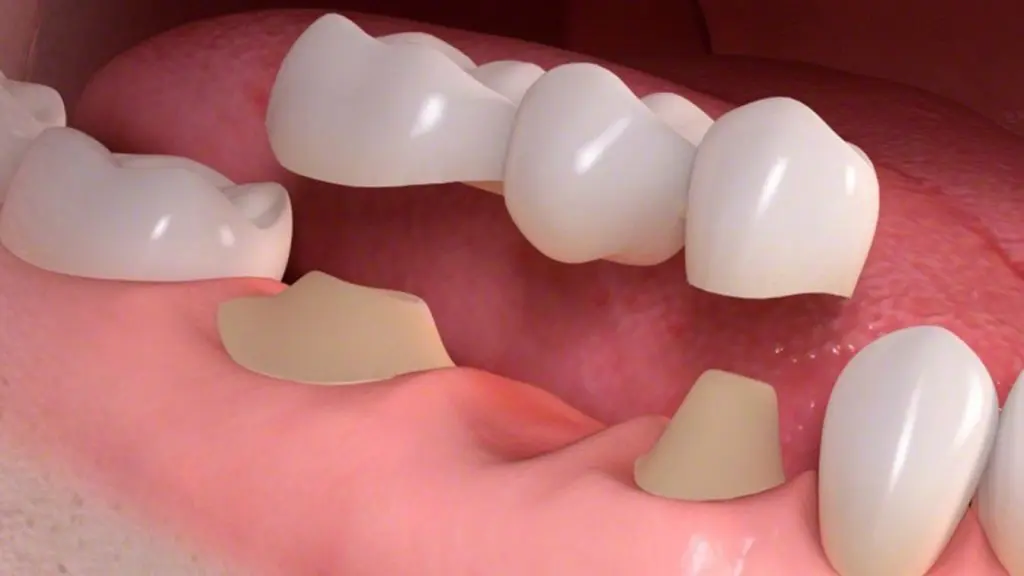
A dental bridge is a fixed restoration that replaces one or more missing teeth. It “bridges” the gap with a custom-made false tooth, called a pontic, that is held in place by the teeth or implants on either side.
Unlike a removable partial denture, a bridge is bonded or cemented in place. You don’t take it out at night, and it is made to match the size, shape, and colour of your natural teeth.
A bridge can help you:
Chew and speak more comfortably
Restore your smile and facial support
Keep neighbouring teeth from shifting into the gap
Spread your bite forces more evenly
If you would rather not crown the teeth beside the gap or have surgery, a partial denture is another option, and usually the more affordable one.
What Are the Types of Dental Bridges?
There are four main types of dental bridges. The right one depends on where the missing tooth is, how healthy the surrounding teeth are, and how many teeth need to be replaced. Cleveland Clinic describes them this way:
Type
Held in place by
Often used when
Traditional
Crowns on the teeth on both sides of the gap
There are healthy teeth on both sides
Cantilever
A crown on one neighbouring tooth only
There is a tooth on just one side
Maryland (resin-bonded)
A thin framework bonded to the backs of the neighbouring teeth
A front tooth is missing
Implant-supported
Dental implants placed in the jawbone
Several teeth in a row are missing
Traditional Bridge
This is the most common type. Crowns are placed on the healthy teeth on both sides of the gap, and the false tooth is attached between them. Traditional bridges are strong and work for both front and back teeth. The trade-off is that the neighbouring teeth need to be reshaped to hold the crowns.
Cantilever Bridge
A cantilever bridge is supported on one side only, by a single crowned tooth. It is used in more specific situations, where only one neighbouring tooth can carry the false tooth.
Maryland Bridge
A Maryland bridge uses a thin metal or porcelain framework bonded to the back of the neighbouring teeth, instead of crowns. It is mostly used for front teeth. Your dentist can tell you whether a cantilever or Maryland design is suitable for your teeth.
Implant-Supported Bridge
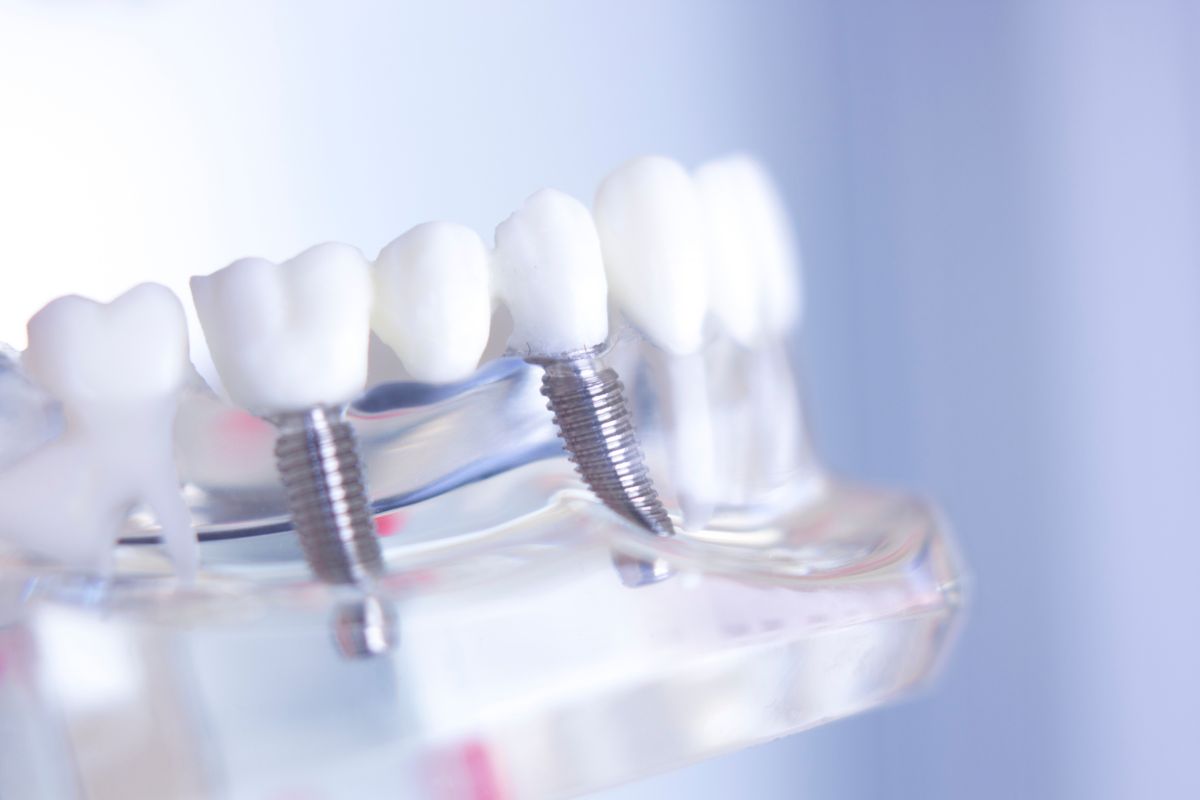
Instead of using natural teeth for support, this bridge is anchored to dental implants placed in the jawbone. It is often recommended when several teeth in a row are missing. Because it doesn’t rely on the neighbouring teeth, those teeth are left untouched.
How Is a Dental Bridge Placed?
A traditional dental bridge at Shoreline Dentistry usually takes two appointments:
Exam and preparation. We examine your teeth, take digital X-rays, and check the health of your gums and supporting bone. The teeth beside the gap are numbed with local anesthesia and reshaped to hold crowns. Digital scans or impressions are then taken so your bridge can be custom made, and a temporary restoration may be placed while you wait.
Fitting the bridge. When your bridge is ready, we check the fit, colour, and bite, then bond it securely in place. Small adjustments help it feel natural and comfortable.
An implant-supported bridge takes longer, because the implants need time to heal and bond with the bone before the bridge is attached. Our dental implants page puts that process at three to six months in general. Our guide to how many visits dental implants take walks through each step.
Dental bridge cost depends on your case, so there is no single price. Your dentist can give you a personalized treatment plan and cost estimate after an exam. These are the main factors:
How many teeth you’re replacing. A bridge is built in units. A typical bridge for one missing tooth has three: two crowns and the false tooth between them. Each extra missing tooth adds a unit, and the fee grows with it.
The type of bridge. Implant-supported bridges include the cost of the implants, so they usually cost more up front than a traditional bridge.
Materials. As with crowns, porcelain and ceramic suit front teeth, where colour matters most, while zirconia is built for the chewing forces on back teeth.
Extra treatment. If a supporting tooth needs a filling, a root canal, or gum treatment first, that becomes part of your total plan.
For implant-supported work, our guide to dental implant costs in Ontario puts a bridge on implants that replaces two or three teeth at about $6,000 to $15,000 in 2026.
Does Insurance Cover a Dental Bridge?
Many private dental plans cover part of a bridge, often as a “major” service at a lower percentage than basic care like cleanings and fillings. Waiting periods and annual maximums can also limit what your plan pays. Ask for a predetermination before treatment, so you know your share in advance.
Whenever possible, we deal directly with your insurance company online, so you pay only the part your plan doesn’t cover.
Does the CDCP Cover Dental Bridges?
The Canadian Dental Care Plan’s list of covered services (updated August 27, 2026) includes crowns, which need preauthorization, and complete and partial dentures. It does not list bridges. Shoreline Dentistry accepts the CDCP, and your dentist can explain which tooth-replacement options may be covered for you.
What If You Don’t Have Insurance?
Our in-house membership plan is an alternative to insurance. The adult Basic plan is $600 a year and includes two cleanings, two exams, one annual X-ray, one fluoride treatment, and 35% off additional treatment. It is a discount plan, not insurance, and payment for restorative work is due at the time of treatment. We also offer patient financing through LendCare, subject to credit approval.
Dental Bridge vs Implant: Which Is Better for You?
Neither is better for everyone. A bridge is faster and needs no surgery, while an implant leaves the neighbouring teeth untouched and helps preserve the jawbone. Here is how a traditional bridge and a single implant compare:
Factor
Traditional bridge
Dental implant
Neighbouring teeth
Reshaped and crowned
Left untouched
Surgery
None
Yes, to place the implant
Time to finish
Usually two visits
About 3 to 6 months, including healing
Jawbone
Does not replace the root
Replaces the root and helps prevent bone loss
Typical lifespan
About 5 to 15 years
Many years, or even a lifetime; the crown may need replacing
Up-front cost
Usually lower
About $3,000 to $6,500 for one implant, abutment, and crown (Ontario, 2026)
A bridge may be the better fit if:
The teeth next to the gap already need crowns
You would prefer to avoid surgery
You want the tooth replaced in fewer appointments
An implant may be the better fit if:
The teeth next to the gap are healthy and you want to protect them
You have enough jawbone, or you’re open to a bone graft first
You are comfortable waiting a few months for healing
The implant cost comes from our dental implant cost guide, implant timing and lifespan from our dental implants page, and the bridge lifespan from Cleveland Clinic. Your dentist will help you weigh both options against your own teeth, bone, and budget.
How Do You Care for a Dental Bridge?
A dental bridge can last many years with good care. Follow these five habits:
Brush twice a day with a fluoride toothpaste.
Clean under the false tooth every day with a floss threader, water flosser, or small interdental brush.
Avoid chewing ice, hard candy, or other very hard foods.
Wear a night guard if you grind or clench your teeth.
Keep up with regular checkups and professional cleanings, so we can check the supporting teeth and gums.
Decay or gum disease around the supporting teeth can shorten a bridge’s life, so daily cleaning under the bridge matters most. Our post on the benefits of flossing covers the basics.
If you have a gap you would like to close, or a bridge that feels loose, call Shoreline Dentistry at (905) 827-6453 or visit us at 11 Bronte Rd, Unit 30, in Oakville.
Frequently Asked Questions
How long does a dental bridge last?
Most bridges last 5 to 15 years, according to Cleveland Clinic, and a 2023 Canadian review by CADTH (now Canada’s Drug Agency) estimates about 10 years with adequate care. With daily cleaning and regular checkups, many last 10 to 15 years or longer.
Does getting a dental bridge hurt?
It shouldn’t. The supporting teeth are numbed with local anesthesia before they are shaped, so most people feel pressure rather than pain. Mild tenderness for a day or two afterward is normal.
How many appointments does a dental bridge take?
A traditional bridge usually takes two appointments: one to prepare the teeth and take scans or impressions, and one to fit and bond the finished bridge. An implant-supported bridge takes longer, because the implants heal for about three to six months first.
Can a dental bridge replace more than one missing tooth?
Yes. A bridge can replace one tooth or several in a row, depending on the support available. When three or more teeth in a row are missing, an implant-supported bridge is often the option considered.
Is a dental bridge cheaper than an implant?
Up front, a traditional bridge usually costs less. Our Ontario cost guide puts one implant with its abutment and crown at about $3,000 to $6,500 in 2026, but a bridge also crowns two neighbouring teeth and may need replacing sooner, so compare the long-term cost too.
Does dental insurance cover a dental bridge?
Many private plans cover part of a bridge as a major service, subject to waiting periods and annual maximums. A predetermination from your insurer before treatment shows your share in advance.
Does the CDCP cover dental bridges?
The CDCP’s list of covered services, updated August 27, 2026, includes crowns and dentures but does not list bridges. Your dentist can explain which tooth-replacement options may be covered for you.
Can I eat normally with a dental bridge?
Yes. After a short adjustment period, most people eat their usual foods again. Avoid chewing ice and very hard foods, which can damage the bridge or the teeth that support it.
On this page
Book Your Visit
Have a question about this topic? Our team is happy to help.