
You have just had your teeth whitened, they look great, and the obvious question follows: how long will this last? It is one of the questions we hear most often at Shoreline Dentistry in Oakville, and the honest answer depends on two things — the type of whitening you had, and what you do in the days and months afterward.
The short answer: most people stay noticeably brighter for six months to about a year after professional whitening, and longer than that with maintenance. In-office whitening usually holds the longest, custom take-home trays are close behind, and drugstore strips fade fastest. No whitening is permanent, so think of it as a result you top up rather than a one-time fix.
This guide covers how long each option realistically lasts, why results fade, and the teeth whitening aftercare that makes the biggest difference.
How Long Does Teeth Whitening Last?
Whitening lifts color out of your enamel. From the moment it is finished, your teeth start picking up new color again from what you eat, drink and smoke — so “how long does teeth whitening last” is really a question about how quickly you re-stain.
Here is what to expect from each option, assuming reasonable care.
| Whitening option | What it involves | How long results typically last | Best suited to |
|---|---|---|---|
| In-office whitening (Zoom®) | One supervised appointment, professional-strength gel, gums shielded | About a year for most people, longer with touch-ups | Fast, even results before a wedding, photos or an event |
| Custom take-home trays from your dentist | Trays moulded to your teeth, worn at home for a set time each day | Roughly six months to a year, easy to top up | Gradual whitening and long-term maintenance |
| Drugstore strips, pens and kits | One-size gel strips or applicators at a lower concentration | Often only a few months, and can fade unevenly | Small touch-ups on mild surface staining |
| Whitening toothpaste | Mild abrasives, sometimes a low level of peroxide | Only while you keep using it | Lifting everyday surface stain, not changing tooth colour |
In-office whitening
In-office whitening — the Zoom® treatment we provide — uses a stronger, dentist-supervised gel with your gums protected, and produces the largest change in a single visit. For most patients that result stays clearly brighter for about a year before they want a refresh, which is the same figure we give in our guide to how Zoom® teeth whitening works. Careful habits and an occasional take-home touch-up can stretch it well beyond that; heavy coffee, tea or tobacco use will shorten it.
If you are still deciding, our Zoom® teeth whitening page explains what the appointment itself involves.
Custom take-home trays
Take-home kits from a dental office use trays moulded to your own teeth plus professional-strength gel, so the gel sits on the enamel rather than leaking onto your gums. Results usually last around six months to a year, and because you keep the trays, a top-up later costs only a fresh syringe of gel. Plenty of patients use both approaches: in-office whitening to get the result, trays to hold it.
Store-bought strips and kits
Over-the-counter products are weaker and one-size, so the change is lighter, fades sooner and can look patchy wherever the strip does not sit flat — often around crowded teeth or along the gumline. Treat them as maintenance rather than treatment. If you do buy one, look for a seal of acceptance from a recognized dental association on the box, which means the product has been reviewed for safety and effectiveness when used as directed.
One pattern holds across all three: the stronger and more custom-fitted the treatment, the longer the result tends to hold. Results still vary from person to person, so treat every figure above as a typical range rather than a promise.
Why Two People Get Very Different Results
Two patients can have identical treatment on the same day and be happy with it for very different lengths of time. Most of that difference comes down to the kind of discoloration they started with.
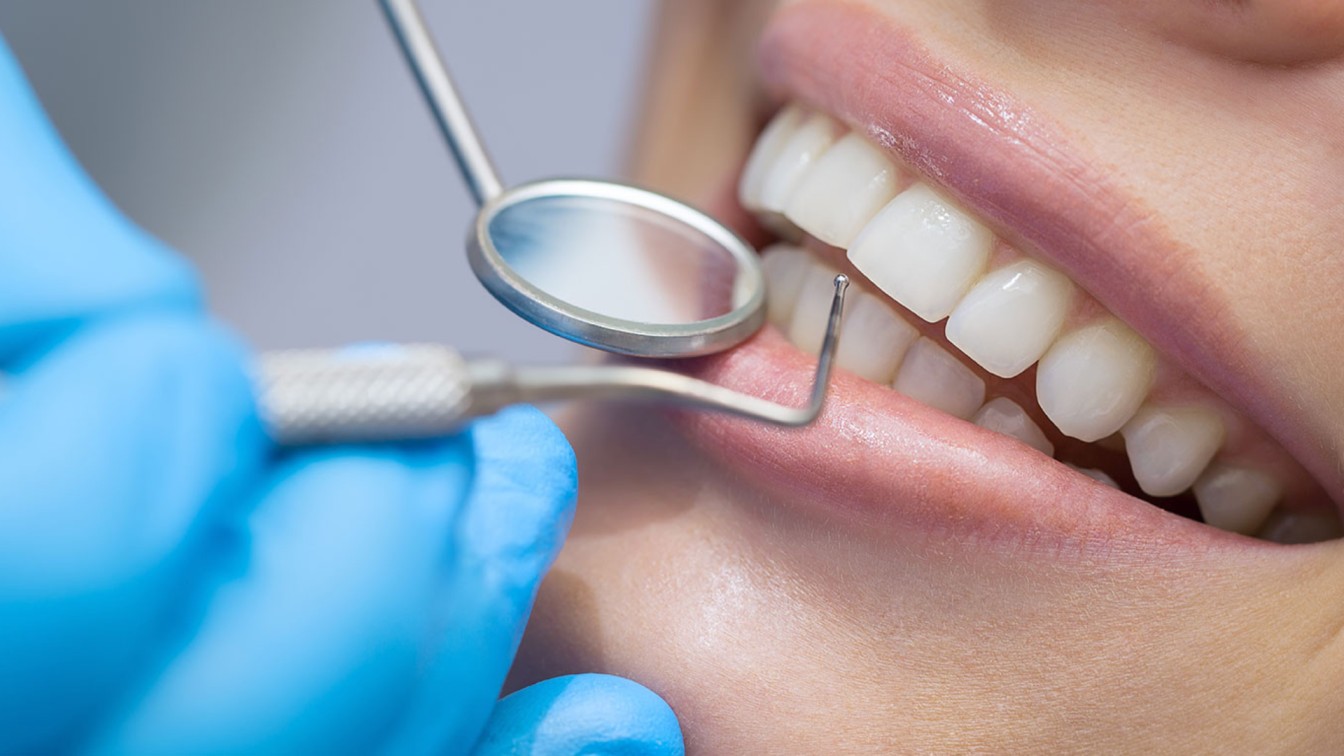
Extrinsic stains sit on the outside of the enamel and come from what touches your teeth: coffee, tea, red wine, cola, dark fruits and tobacco. These respond well to whitening, and also to good brushing and professional cleaning.
Intrinsic stains sit inside the tooth. Causes include ageing, when enamel thins and the yellower dentin underneath begins to show through, certain antibiotics taken in childhood, fluorosis, an old injury, and darkening around some older dental work. These are harder to shift. Some lighten slowly over a longer course of treatment, and some barely move at all.
If your discoloration is mainly intrinsic, whitening may help a little but will not take you where you want to go, and repeating it will not change that. This is the point where dental veneers, resin infiltration for white-spot marks, or other cosmetic dentistry options are worth discussing instead. A short exam is what tells the two types apart.
What Makes Teeth Whitening Fade?
Knowing what dulls your smile is what lets you protect it. These are the usual culprits.
- Dark drinks: coffee, tea, red wine and cola are among the biggest stain makers.
- Colorful foods: berries, tomato sauce, curry, soy sauce and balsamic vinegar all leave their mark.
- Tobacco: smoking and chewing tobacco stain teeth quickly and deeply.
- Plaque buildup: skipping brushing and flossing lets stain and bacteria settle in.
- Age: enamel naturally thins over time, letting the darker layer underneath show through.
- Skipped touch-ups: fading is gradual, so most people do not notice until the result is well behind them.
It is worth saying plainly that fading is normal and not a sign anything went wrong. Whitening is a cosmetic result with a shelf life, much like a haircut.
Teeth Whitening Aftercare: The First 48 Hours Matter Most
Straight after whitening, your teeth are temporarily more porous, which means they take up color more easily than usual. The first day or two is when your new shade is most at risk. Dentists often call this stretch the “white diet”.
For about 48 hours after your appointment, lean on light-colored, gentle food and drink:
- Water, milk and clear or light-colored drinks
- Chicken, fish, rice, pasta and plain bread
- Bananas, plain yogurt, cauliflower and potatoes
During the same window, it is best to avoid coffee, tea, red wine, dark sauces and anything deeply colored, along with tobacco and colored mouthwashes. If you do have something that could stain, drink it through a straw and rinse with water afterward. Warm or very cold food and drink can also feel sharper than usual for a day or so, so room temperature is kinder.
How to Make Your Teeth Whitening Last Longer
Once the first couple of days have passed, a handful of simple habits do most of the work.
- Brush and floss thoroughly every day to clear the plaque that stain clings to.
- Rinse with water, or brush a little later, after coffee, tea or wine, and use a straw where it makes sense.
- Cut back on the foods and drinks that stain most, and avoid tobacco.
- Use a gentle whitening or maintenance toothpaste, but skip harsh, abrasive scrubbing, which wears enamel down over time.
- Keep up your professional cleanings, which lift the surface stain that daily brushing leaves behind.
- Ask about touch-ups. Many patients refresh with take-home trays every six to twelve months rather than repeating a full treatment.
Skip the DIY whitening trends as well. Charcoal pastes, heavy baking soda and oil pulling have little evidence behind them, and studies of charcoal and salt mixtures found them abrasive and ineffective — a poor trade for your enamel.
Your Whitening Maintenance Timeline
If you prefer a schedule to a list, this is the rhythm most patients settle into.
| When | What to do |
|---|---|
| First 48 hours | Stick to the white diet, no tobacco, no colored mouthwash, room-temperature food and drink |
| First two weeks | Keep staining drinks occasional, use a straw, rinse with water, use sensitivity toothpaste if you need it |
| Every six months | Checkup and cleaning to remove surface stain before it settles |
| Every six to twelve months | Short take-home touch-up if your shade has drifted |
| As needed | Ask about a fresh in-office treatment if a touch-up no longer does the job |
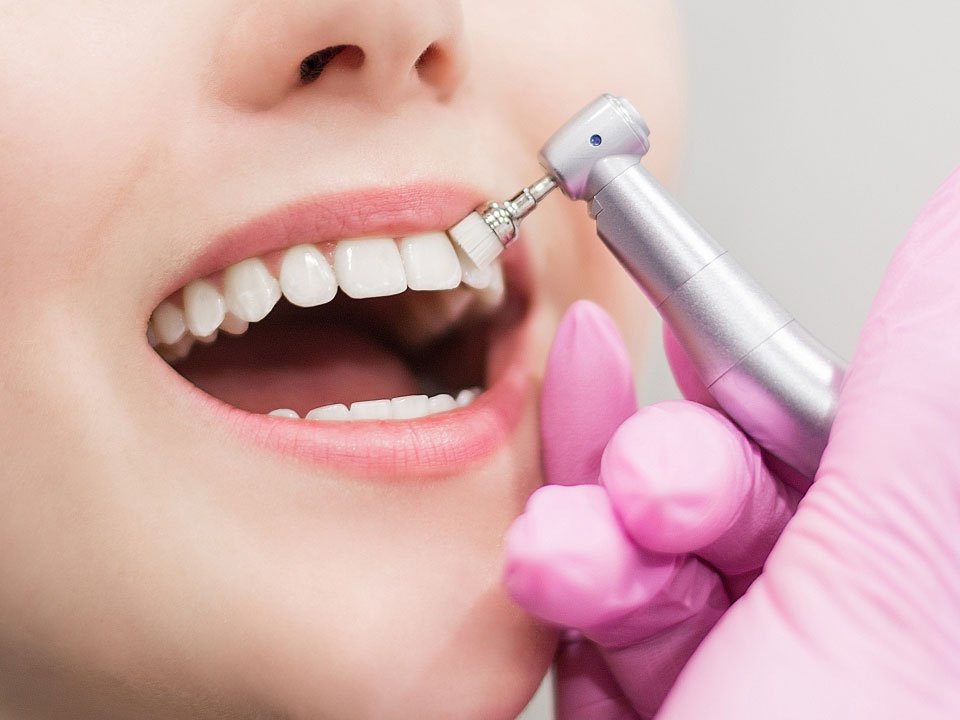
A regular cleaning is genuinely part of whitening maintenance, not a separate errand — polishing away built-up surface stain is often enough to make teeth look brighter again between treatments.
Is Professional Teeth Whitening Safe?
Whitening is one of the most common cosmetic dental treatments, and it is considered safe when a dentist supervises it. The gels are stronger than anything sold over the counter, which is exactly why your gums are shielded and your teeth and mouth are checked before anything is applied. Temporary tooth sensitivity and short-lived gum irritation are the most common side effects, and they usually settle within a day or two. You can read the clinical detail in the American Dental Association’s summary of whitening evidence.
A sensitivity toothpaste and spacing treatments further apart both help. It is also worth telling your dentist before you whiten if you are planning bonding or veneers, because whitening changes the shade the new work has to be matched to, and it is easier to whiten first.
An exam beforehand matters because a few situations call for treating something else first, or for a gentler approach:
- Active decay, gum disease or an exposed root surface
- Cracked teeth or noticeably worn enamel
- A history of strong tooth sensitivity
- Extensive existing dental work at the front of the mouth
- Children and teenagers, for whom full-arch cosmetic bleaching is generally discouraged
If you are pregnant or nursing, it is usually sensible to postpone elective whitening and raise it at your next checkup instead.
Does the CDCP or Insurance Cover Teeth Whitening?
Almost never, and it is better to know that before you book. Whitening is cosmetic, so it falls outside what the Canadian Dental Care Plan pays for, and most private plans exclude cosmetic treatment too. The Canadian Dental Association’s CDCP overview sets out which services are eligible and what patients may still owe.
The cleaning side of the story is different. Checkups and cleanings are routine preventive care, they are often covered at least in part, and they are also what keeps surface stain from undoing your whitening. Our post on what the CDCP covers goes through the categories in more detail, and patients without coverage sometimes prefer our membership plan.
Whitening Does Not Work on Crowns, Veneers or Fillings
Only natural tooth enamel responds to whitening gel. Crowns, veneers, bridges and white fillings keep whatever shade they were made in, so if you whiten the teeth around them, previously matched dental work can suddenly stand out.
That is not a reason to skip whitening. It is a reason to plan the order: whiten first, let the shade settle for a couple of weeks, then match any new restoration to the brighter result. If existing work no longer matches, replacing that one restoration, or a broader smile makeover discussion, is usually the honest answer rather than more whitening.
When to Book a Whitening Touch-Up
There is no schedule that fits everyone, but a few signs suggest it is time:
- Your teeth look duller or more yellow than they did just after treatment.
- Stain has crept back after months of coffee, tea or red wine.
- The color looks uneven, or one tooth is lagging behind the rest.
- You have an event coming up and want a couple of weeks in hand.
A quick check-in is also how you avoid over-whitening, which is a real risk when people keep reaching for stronger products on their own.
The Bottom Line
- Professional whitening typically holds for six months to about a year, and longer with touch-ups and low-stain habits.
- The first 48 hours do more for your result than anything else you will do afterward.
- Cleanings, careful brushing and small periodic top-ups beat repeating full treatments.
Keep Your Bright Smile Going in Oakville
A little aftercare goes a long way. If you have questions about your results, or you want to know which whitening option suits your teeth, the team at Shoreline Dentistry in Bronte Village is glad to take a look. We will check your teeth, explain what whitening can and cannot do in your case, and set out a simple plan to keep the result.
Call 905-827-6453 or get in touch to book. We are at 11 Bronte Road, Unit 30, and we are open Tuesday to Friday with alternate Saturday appointments.
Frequently Asked Questions
How long does professional teeth whitening last?
It depends on the method and your habits. In-office whitening keeps most people clearly brighter for about a year, while custom take-home trays usually last around six months to a year. Regular cleanings, low-stain habits and small touch-ups all extend the result.
What can I eat after teeth whitening?
For the first 48 hours, stick to light-colored food and drink such as chicken, fish, rice, pasta, plain bread, milk and water. Avoid coffee, tea, red wine, dark sauces and tobacco while your teeth are most likely to pick up new stain.
How often can I whiten my teeth?
Most people can refresh their smile safely with dentist-approved touch-ups every six to twelve months. Whitening more often than needed can cause sensitivity, so it is best to have your teeth checked and follow the advice of your dentist rather than escalating products on your own.
Does teeth whitening work on veneers or crowns?
No. Whitening only changes natural tooth enamel. Crowns, veneers, bridges and white fillings keep their original shade, which is why it is best to whiten first and match any new dental work to the brighter result afterward.
Does teeth whitening cause sensitivity?
Temporary sensitivity and mild gum irritation are the most common side effects, and they usually settle within a day or two. A sensitivity toothpaste and spacing treatments further apart both help. Whitening is considered safe when a dentist supervises the treatment.
Does teeth whitening damage enamel?
Professionally supervised whitening is not designed to remove enamel, and the gel is applied with your gums protected and your teeth assessed first. The bigger risks come from abrasive DIY methods and from over-using strong products without supervision, which is why an exam beforehand is worth the appointment.
Why does whitening fade faster for some people?
Usually because you started with a different kind of staining or a different diet. Surface stain from coffee, tea, wine and tobacco comes back quickly, while stain from inside the tooth never lifted much to begin with. Your dentist can tell you which you are dealing with and whether whitening is still the right tool.
This article is general information, not dental advice. Whitening results and suitability vary from person to person, so please have your teeth assessed by a dentist before starting any whitening treatment.
Keep Reading