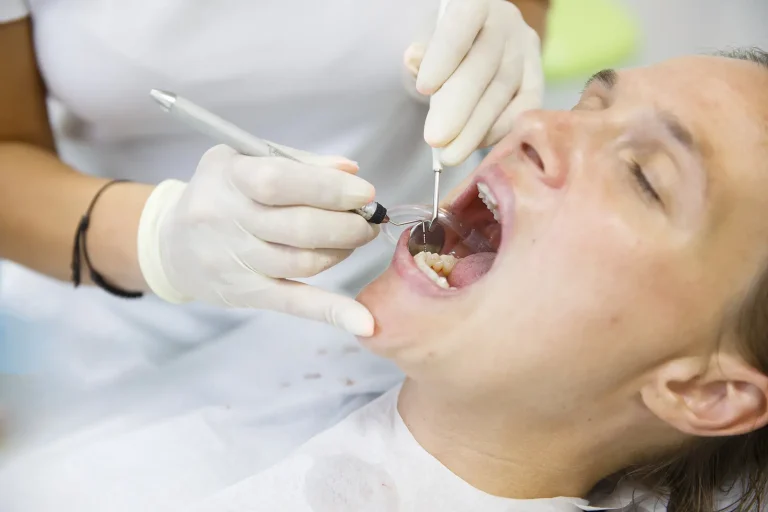
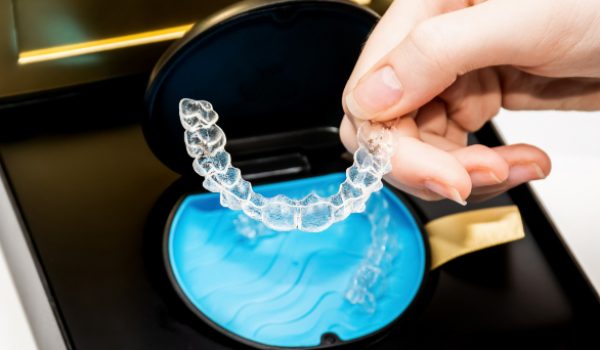
You finished your Invisalign treatment and you love your new smile. Now comes the part that keeps it that way. Learning how to clean Invisalign retainers, and wearing them as directed, protects all the work you put in. At Shoreline Dentistry in Oakville, we want your results to last, so here is a straightforward guide to caring for your retainers and keeping your teeth straight for years to come.
We will cover the daily cleaning routine, how long to wear a retainer, the different types and what each costs in Ontario, and the mistakes that ruin a retainer fastest.
Why Retainers Matter After Invisalign
When your Invisalign treatment ends, your teeth are in their new positions, but they are not locked there yet. Without a retainer, teeth naturally tend to drift back toward where they started, something dentists call relapse.
Wearing a retainer holds your smile in place while the bone and gums settle around your teeth. In short, retainers are what keep your teeth straight after Invisalign. If you are still learning about the treatment itself, our Invisalign in Oakville guide is a helpful starting point, and our comparison of Invisalign vs. traditional braces covers how the two treatments differ.
How to Clean Invisalign Retainers: The Daily Routine
Clean retainers are healthy retainers. Bacteria, plaque, and a cloudy film can build up within days, so a simple routine keeps them clear and fresh.
Every day
- Rinse your retainer with lukewarm water right after you take it out — do not let saliva dry on it
- Gently brush it with a soft toothbrush, using clear mild soap or a small amount of non-abrasive toothpaste
- Rinse it well again before putting it back in
- Clean it morning and night, at the same time you brush your teeth
A deeper clean once or twice a week
Soak the retainer in a solution made for clear retainers or aligners, such as cleaning crystals or tablets. Follow the product directions, then rinse thoroughly before wearing it again. A weekly soak is what removes the film a toothbrush leaves behind, and it is the step most people skip.
Mistakes that ruin a retainer
- Hot or boiling water. Heat warps the plastic permanently and ruins the fit. This is the single most common way a retainer is destroyed.
- Abrasive or whitening toothpaste. It scratches the surface, and scratches are what make a retainer look permanently cloudy.
- Coloured or strongly flavoured mouthwash. It can stain clear plastic.
- Leaving it out to dry, wrapped in a napkin, or anywhere a pet can reach. Dogs are remarkably fond of retainers.
- Drinking anything but water while wearing it, and eating with it in. Both trap sugar and acid against your teeth.
This same gentle care applies to your aligners during treatment. For that stage, see our guide on how to clean Invisalign aligners.

What Happens If You Skip Cleaning?
A dirty retainer is not just unpleasant, it can affect your health. A retainer that is not cleaned regularly collects bacteria, plaque, and even the same hard tartar that forms on teeth. That can lead to bad breath, a cloudy or filmy look, and a higher risk of gum irritation or cavities.
Because your retainer sits snugly against your teeth for hours at a time, anything living on it is pressed right up against your smile. The good news is that a quick daily rinse and brush, plus a weekly soak, prevents all of it with almost no effort. If bad breath is already bothering you, our guide on how to prevent bad breath covers the other common causes.
How Long Should You Wear Retainers After Invisalign?
Every smile is different, but a common pattern looks like this:
- The first few months: wear your retainer most of the day and night, taking it out mainly to eat and clean
- After that: your dentist usually moves you to nighttime wear
- Long term: many people keep wearing a retainer at night indefinitely to protect their results
The exact schedule depends on your teeth and your dentist’s advice, so follow the plan you were given. The American Dental Association’s MouthHealthy guidance on orthodontics makes the same point: retention is part of the treatment, not an optional extra afterwards. Wearing your retainer as directed is the single best way to keep your teeth straight after Invisalign.
Types of Retainers, What They Cost, and When to Replace Them

Most Invisalign patients receive clear plastic retainers, which look much like your aligners. Some people use a wire-and-acrylic style called a Hawley retainer, and some have a thin wire bonded permanently behind the front teeth. There is no single best retainer after Invisalign — the right choice depends on your bite, your habits, and your dentist’s recommendation.
| Retainer type | Typical Ontario cost (CAD) | How long it lasts |
|---|---|---|
| Clear plastic (Essix style) | $150 – $400 per arch | 1 – 3 years |
| Invisalign Vivera | $400 – $1,000 per set | Set usually includes four retainers |
| Hawley (wire and acrylic) | $250 – $500 per arch | 5 – 10 years |
| Permanent bonded wire | $250 – $600 per arch | Years, if undamaged |
| Replacement (removable) | $150 – $600 per arch | Depends on the type |
These are typical Ontario market ranges, not our fee schedule, and they are not a quote. Fees vary between practices — the Ontario Dental Association is clear that dentists are not required to follow its Suggested Fee Guide. Ask for the figure for your own case.
A closer look at Vivera retainers
Vivera retainers are Invisalign’s own brand, made from a slightly thicker material than your aligners and produced from a new scan of your finished smile. They usually arrive as a set of four, which is why the price looks higher than a single clear retainer but often works out lower per retainer. Having spares matters more than people expect: the most common reason someone’s teeth shift is not a worn-out retainer, it is a lost one that took three weeks to replace.
When to replace one
Retainers do not last forever. Over time they crack, warp, cloud over, or stop fitting well, and lost retainers happen to almost everyone eventually. A replacement is quick to arrange once your dentist has your records. Storing yours in its case whenever it is out of your mouth is the cheapest thing you can do to make it last. If you are budgeting for orthodontic treatment more broadly, our guide to how much Invisalign costs in Canada covers the full picture.
Signs You Should See Your Dentist
Book a visit if you notice any of these:
- Your retainer no longer fits, or it feels tight or painful
- It is cracked, warped, or cloudy and will not come clean
- Your teeth are starting to shift
- You have lost or broken your retainer
A retainer that suddenly feels tight is a warning sign, not something to force — it usually means your teeth have already begun to move. Catching that early keeps it easy to fix. If you also grind your teeth at night, ask us about a custom night guard, which can protect both your teeth and your alignment.
Simple Invisalign Maintenance Tips
A few small habits make aftercare almost effortless:
- Keep a retainer case with you so you never wrap it in a napkin — the leading way retainers get thrown out by accident
- Clean it every day and deep clean it weekly
- Keep up with regular dental checkups and cleanings
- Bring your retainer to your appointments so we can check the fit
- If you travel, pack the case, not just the retainer
Good Invisalign aftercare really comes down to small, consistent habits that keep your retainer clean and your smile secure.
Frequently Asked Questions
How do I clean my Invisalign retainers?
Rinse your retainer with lukewarm water right after removing it, then gently brush it with a soft toothbrush using clear mild soap or a small amount of non-abrasive toothpaste. Rinse again before putting it back in. A few times a week, soak it in a cleaner made for clear retainers. Never use hot water, which warps the plastic permanently.
Can I use toothpaste to clean my retainer?
A small amount of non-abrasive toothpaste is fine when you brush gently with a soft brush. Avoid abrasive or whitening toothpastes, which scratch the surface and make the retainer permanently cloudy. Clear, mild soap is a safe alternative.
How much does an Invisalign retainer cost in Ontario?
A clear plastic retainer typically costs $150 to $400 per arch in Ontario, and a set of Invisalign Vivera retainers usually runs $400 to $1,000 for four. Hawley retainers are about $250 to $500 per arch and permanent bonded retainers $250 to $600. Fees vary between practices, so ask for your own quote.
How long do I need to wear my retainer after Invisalign?
Most patients wear their retainer most of the day at first, then switch to nighttime wear. Many people keep wearing a night retainer long term to protect their results. Your dentist will give you a schedule based on your smile.
Will my teeth shift if I stop wearing my retainer?
Yes. Teeth naturally tend to drift back toward their old positions over time, which dentists call relapse. Wearing your retainer as directed is the best way to keep your teeth straight after Invisalign.
How often should I replace my Invisalign retainer?
Replace your retainer when it cracks, warps, becomes cloudy and will not clean, no longer fits well, or is lost. Clear retainers commonly last one to three years. Storing it in its case and cleaning it daily helps it last longer, and your dentist can make a replacement when needed.
Protect Your New Smile at Shoreline Dentistry
Your straighter smile is worth protecting, and good retainer care makes it easy. If you have questions about cleaning your retainer, how long to wear it, or you need a replacement, the team at Shoreline Dentistry in Oakville is happy to help.
Call us today at 905-827-6453 or book a visit online to ask about your Invisalign aftercare. We would love to help you keep that smile for years to come.
Cost ranges reflect the Ontario market as of September 2026 and are general information, not a quote.
Keep Reading